

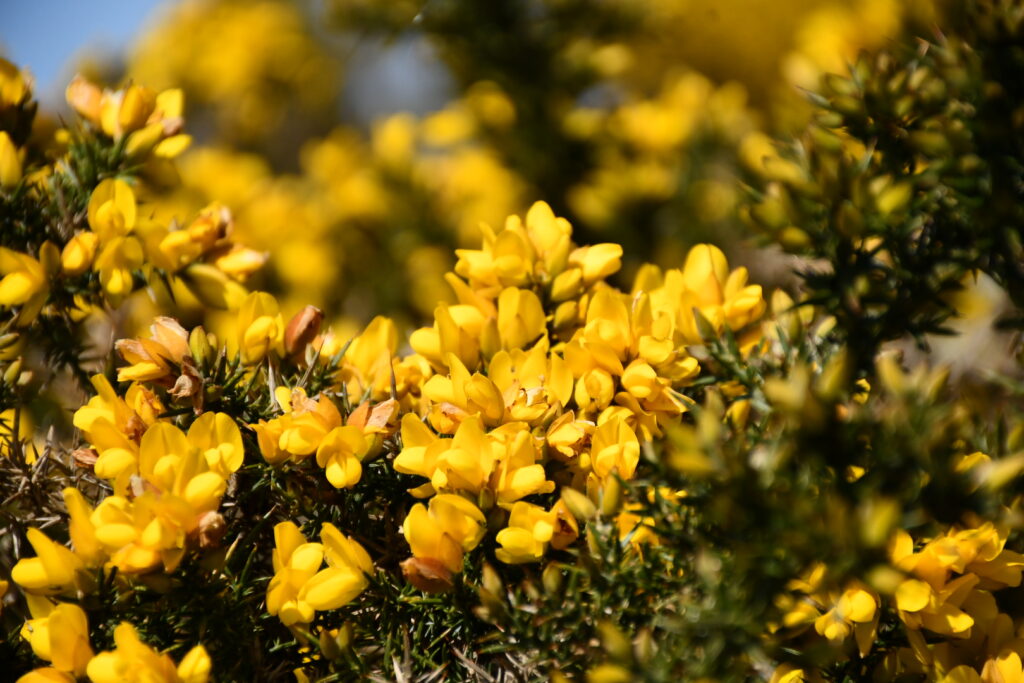
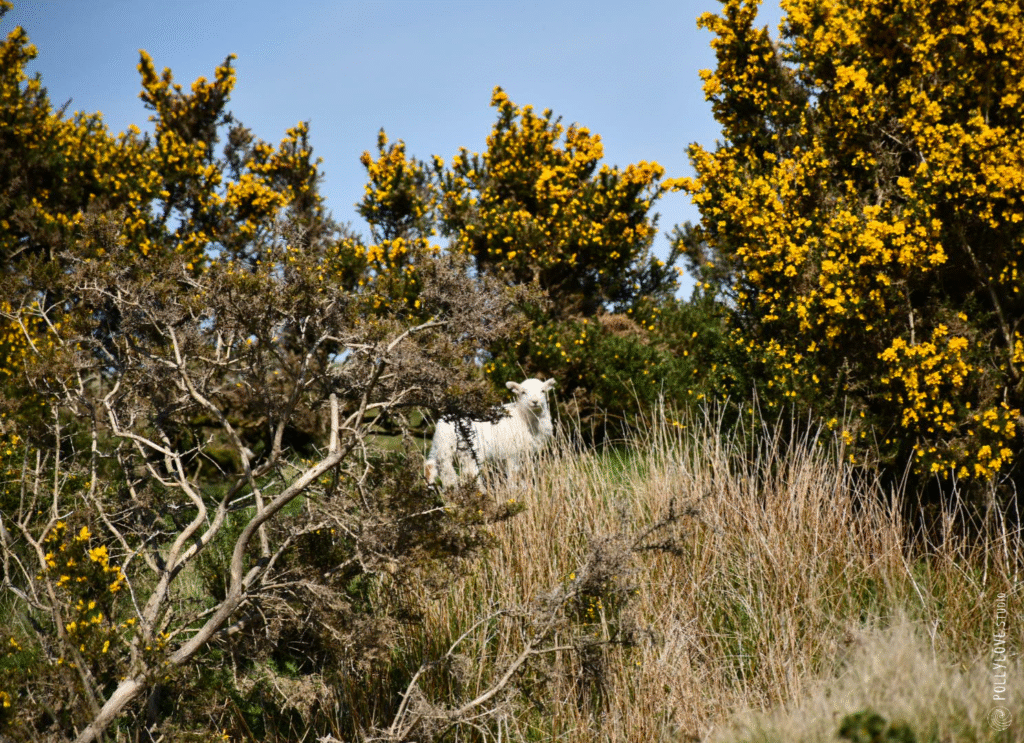
May is here with summer fast approaching. The wildlife of the Common is flourishing and in full colour: the yellow of the gorse, the fresh green of the new grasses and rushes, the frothing and unfurling of pinks and lilacs, burgundy too in the hedgerows. The sound of the skylark more frequent, the curlew’s call returned, and, if you are lucky, you will even hear the cuckoo too for a short while. The landscape definitely seems more inviting as summer advances. With these thoughts in mind, we look at evidence showing that people have always been attracted to the Common during summer months.
Hafodau on the Common
If you grew up around the Gelligaer and Merthyr Common, or are interested in local history, you might have heard stories about summer dwellings on the common – or hafodau as they are known in Welsh. These are houses built on uplands and occupied in transhumance during the summer months only.
Transhumance is the moving of grazing animals from one type of pasture to another – in this case from the lowlands of winter to the highlands of summer. Centuries upon centuries ago, this journey would have taken place to the Gelligaer and Merthyr Common with farmers, their families and their animals living here from the first of May until the end of August or September.
These whispers of hafodau on the Common were corroborated by Iorwerth Peate, a Welsh poet and scholar best known as the founder of St Fagan’s National Museum of History (along with Cyril Fox). However, other evidence suggests that they were not just summer dwellings – but homes where families would live all-year-round. This difference of opinion implies that more research is needed in this area.
Medieval Platform Houses
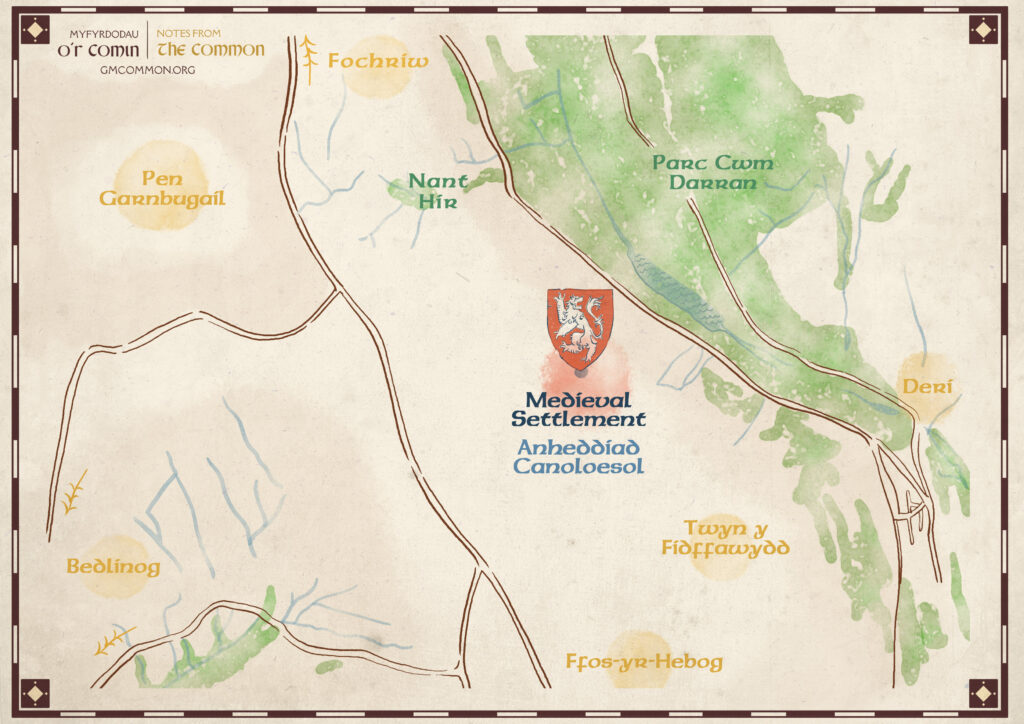
Whether they were summer dwellings or all-year-round homes, three groups of these homesteads can be found on the Common: seven houses at Dinas Noddfa, north east of Bedlinog (to the west of Carn Bugail); ten at Graig Spyddyd, north of Ysgwyddgwyn Uchaf Farm; and several buildings on the mountainside to the north of Deri. They were what is known as platform houses. These are long houses built into the mountain. As Judith Jones explains in her book Gelligaer and Merthyr Common:
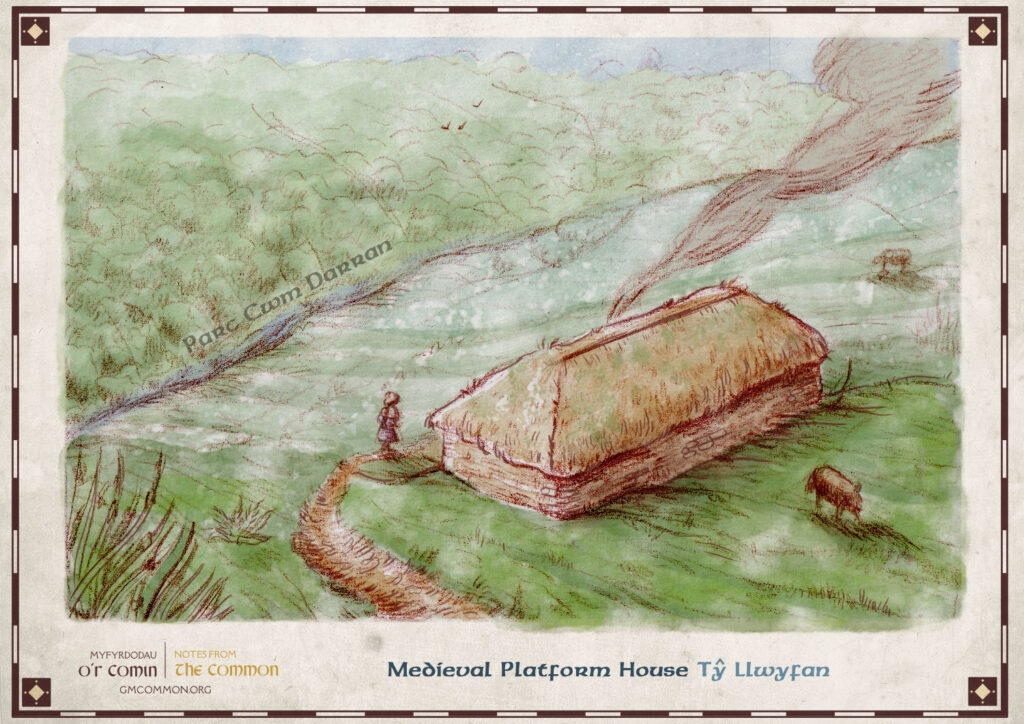
“…the earth from the excavations [would be] thrown behind to form a ‘platform’ or the front part of the house. There would have been a low-pitched thatched roof resting on low stone walls and supported by a central beam held upright by posts.”
The houses would have been around 60 feet by 20. As they were built lengthways into the hillside, part of the house rested on the hillside floor itself and another part on a platform created by the excavation. In the middle of these houses was a fireplace with an opening in the roof allowing the smoke to escape.
Archeological Excavations on the Gelligaer and Merthyr Common
In 1936 and 1938 excavations took place at Dinas Noddfa and also at Craig Spyddyd by Lady Aileen Fox (as an aside, she was married to Cyril Fox mentioned at the beginning of this piece as one of the founders of St Fagan National History Museum).
Lady Aileen Fox argues that these structures were likely to have been permanent dwellings used throughout the year. Judith Jones discusses Aileen Fox’s findings:
“The number of buildings on each site, the foundations of walls which were probably enclosed fields, as well as the nearby stones (possibly gravestones) certainly suggest that the settlements were permanent and not just hafodau or summer houses, certainly, on the ground they appear to be the remains of small villages.”
Fleeing From the Moorland
We know that the Common continues to be a working landscape, a place where nature and humans meet and where both have influenced the land we see today. It is still a strange feeling though, to think that people lived here so long ago and to imagine the social upheaval that sent them away again. Lady Aileen Fox observed that “a terminal date for the occupation in the first half of the fourteenth century seems likely”. She gives several reasons for change at this particular time.
The old Welsh way of living would have been shaken “under the spreading English influence”. After the Llywelyn Bren uprising that took place in 1316 – one of the last serious challenges to English rule – fines and confiscations were inflicted upon the people of this area which left the region destitute. Llewelyn Bren lived in Gelligaer and was respected as a brave warrior to the end, even by his enemies. He was hung, drawn and quartered for his efforts and the remains of his body are now buried somewhere under Greyfriars Road in Cardiff.
According to reports from the time, the weather seemed to have sympathised with the emotional state of the people “for there was a succession of bad harvests and cattle disease.” Some years later, in April 1349 the first recorded instance of the Black Death was made in Wales and it is estimated that, eventually, some villages lost up to 80% of their populations. According to the authors of The Gelligaer Story “This combination of depressing conditions probably explains the evacuation of the homesteads on the moorlands at this time.”
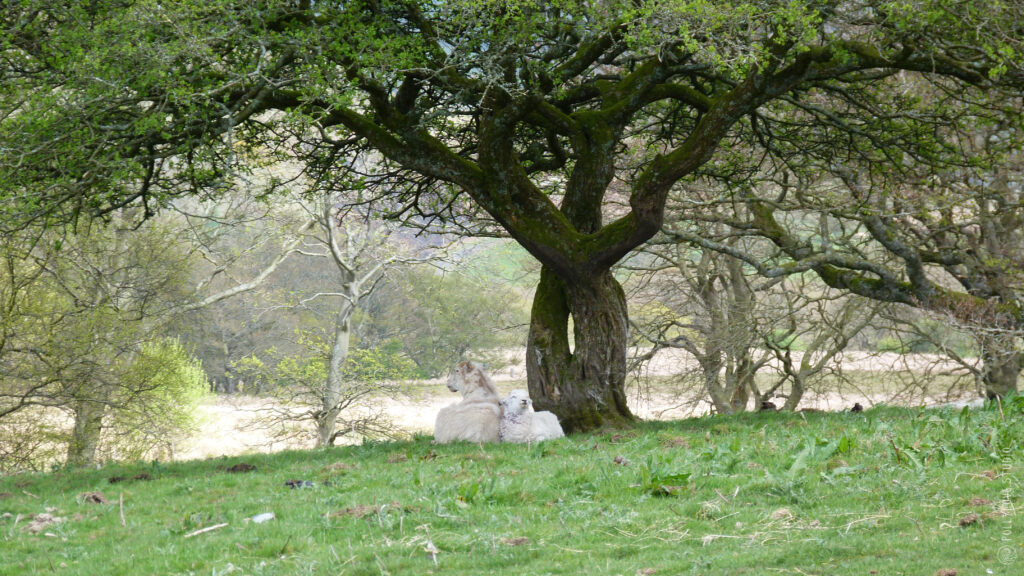
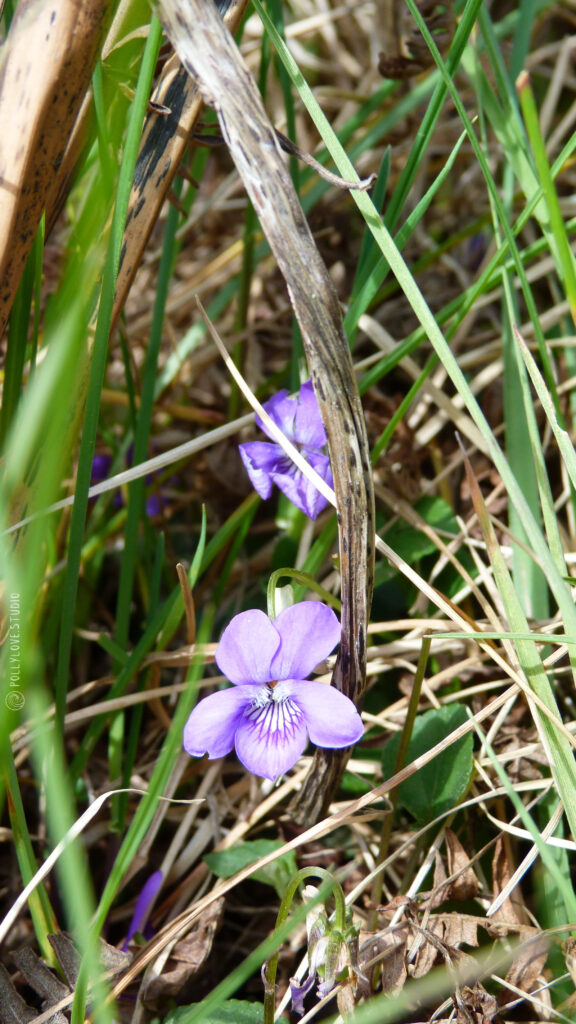
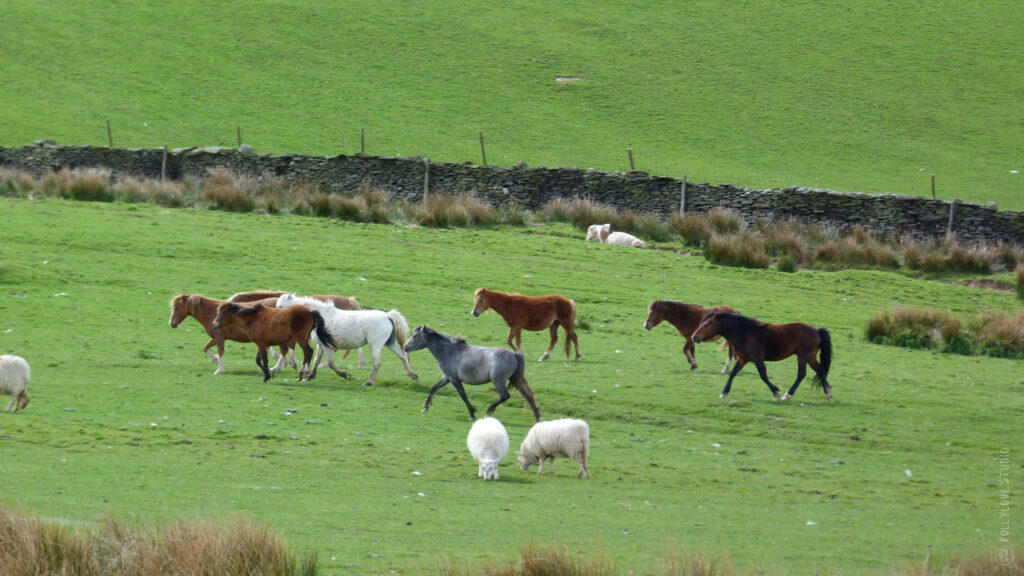
Looking out on a bright day in May, birdsong filling the air, the sky a high blue and the expanse of land stretching peacefully in all directions it’s hard to imagine the tumult that occurred here leading people to leave the land – for a while at least. The shadows of these platform houses, their outlines, can still be seen today. It’s worth taking a look. They were all built above the treeline so on a clear day the views from these locations are wonderful.
The beautiful photographs and sketches in this piece were created by local artist @pollylove
Information for this piece was taken from the book The Gelligaer Story published by The Gelligaer Urban District Council in 1960 and also the book Gelligaer and Merthyr Common by Judith Jones, first published in 2003.


