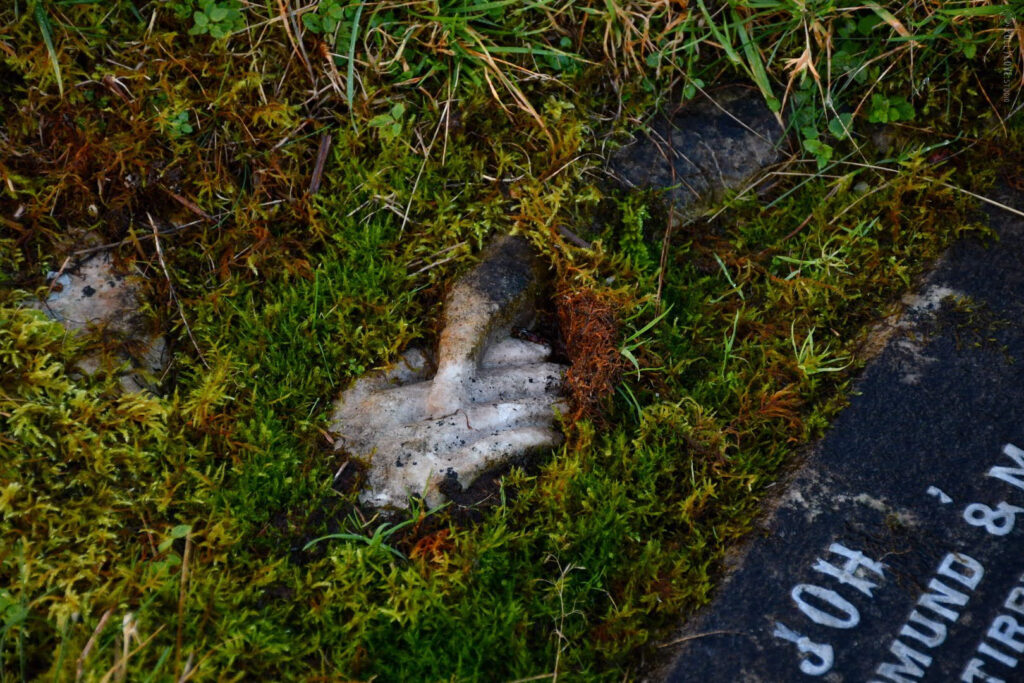
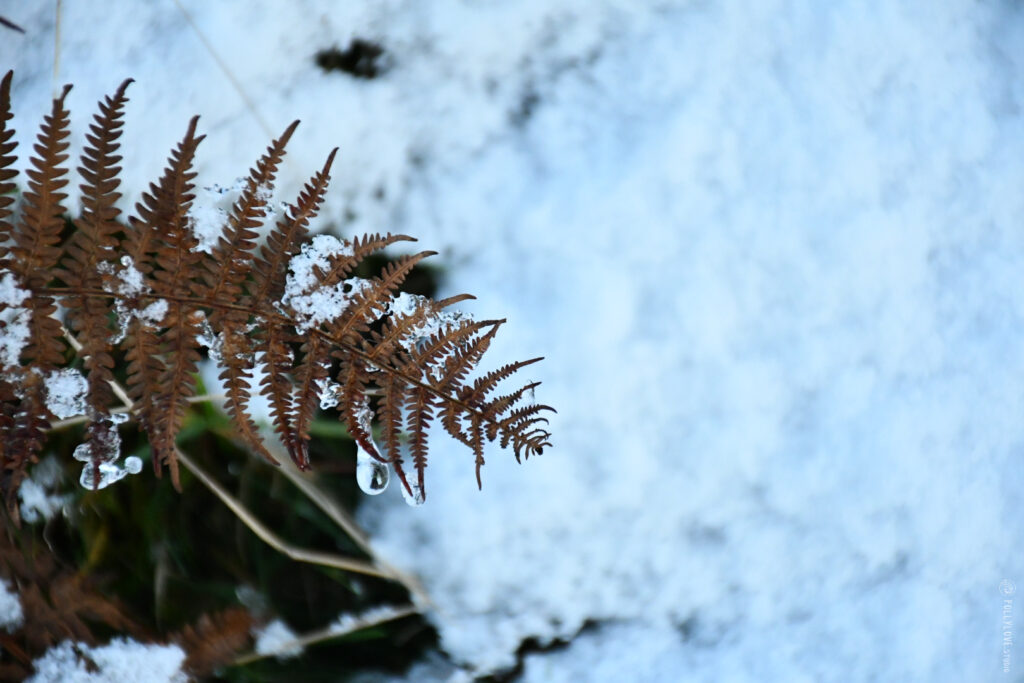
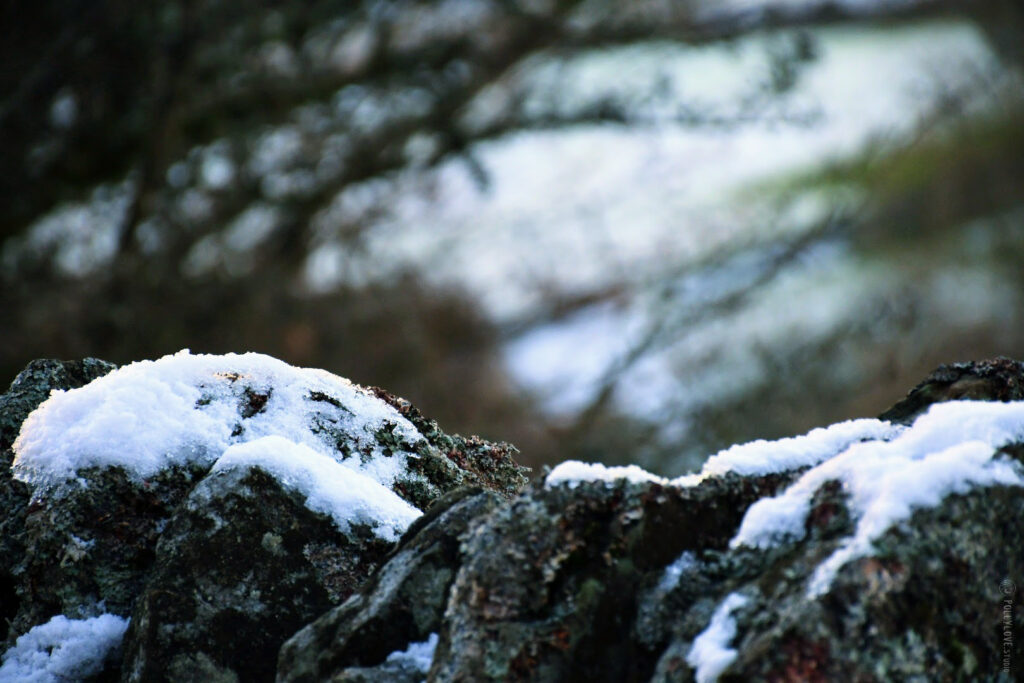
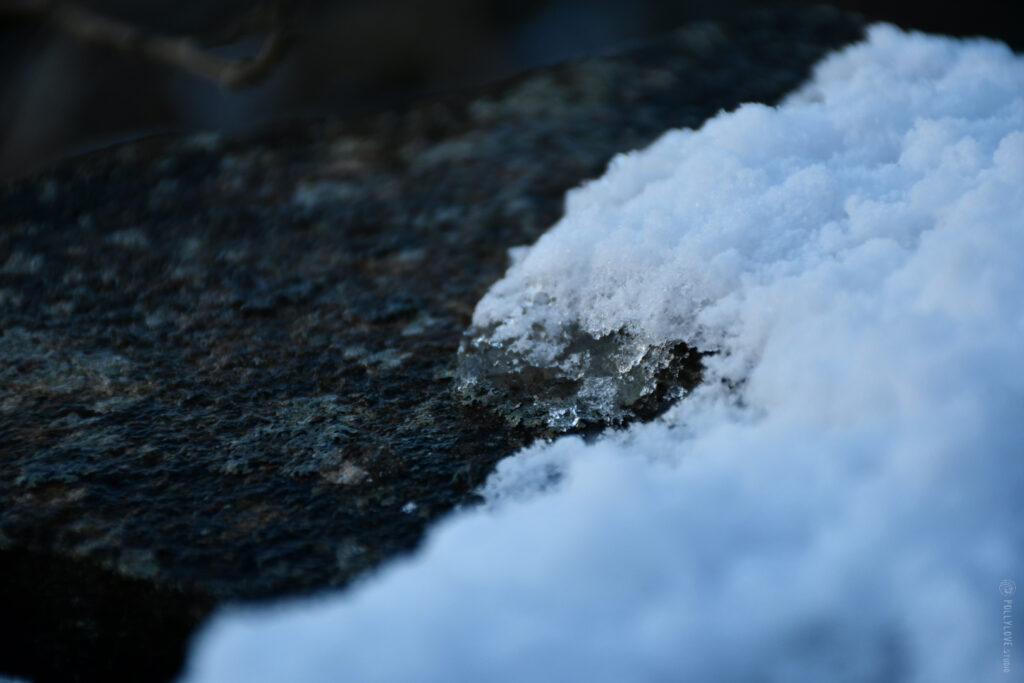
Winter on the Common brings to mind frosty mornings, sharp-edged patterns of ice on blades of grass and low, deep-coloured sunsets in the evenings. The darker season also means increased rainfall, blustery conditions and periods of low laying cloud. As we approach Christmas and the holiday season, our thoughts turn to the common’s many chapels and churches – places of worship where for centuries Christmas would have been celebrated on these isolated ridges.


This December we focus on Capel-y-Brithdir.


The capel is on the Cefn y Brithdir ridge that separates the Darran Valley and the Rhymni Valley. Up on the mountain’s spine the view is breathtaking, with Pen y Fan to the north, Pen y Fal (Sugar Loaf) to the east and on a clear day the glass-like shimmer of the Môr Hafren (Bristol Channel) to the south. The ridge is typical of this upland area in that it forms part of the Pennant Sandstone Formation. It is less intensely grazed than Cefn Gelligaer and includes plant species such as wavy hair-grass (Deschampsia flexuosa), sheep’s-fescue (Festuca ovina) ,mat-grass (Nardus stricta). Clusters of Heather (Calluna vulgaris) grow in the rockier areas and steeper slopes.
There is also a small Site of Scientific Interest (SSSI) in this area due to the “diversity and relative density of the dwarf shrub species (crowberry)” growing here (Cyngor Cefn Gwlad Cymru)..


Amongst the grasses, heather and natural beauty of the ridge comes the unlikely appearance of the Brecon DVOR aircraft navigation beacon (Distant Measuring Equipment/VHF Omnidirectional Radio Range), which is located close to the road that crosses Cefn y Brithdir and cannot be missed. It marks a crossing point of the North/South air-lane through Wales and the primary transatlantic route from London.


Sat high on this ridge there is something almost Soviet about the beacon – as if it came from the future but got left behind in the past: it is a fragment from a science fiction novel or glimpse into Russian cosmism, sitting in contrast to its geological surroundings.

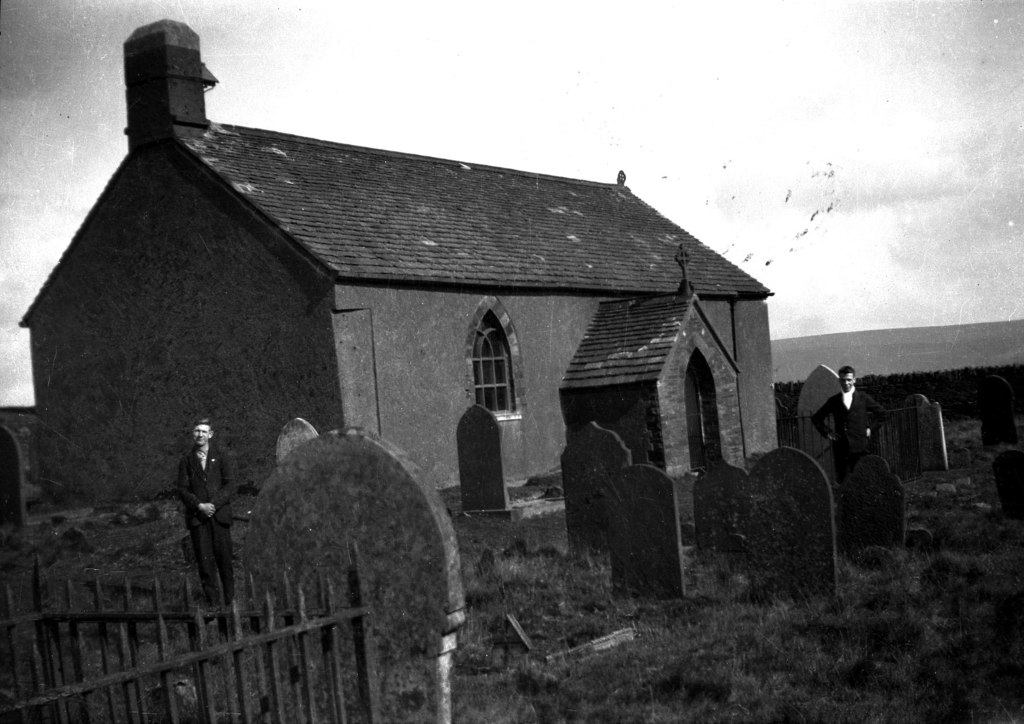
According to The Gelligaer Story, Capel-y-Brithdir was “unroofed in 1955, as a result of continuing desecration” leading to the demolition of the chapel in 1960. During that time, an ancient Celtic cross was found buried in one of its walls. Dating from the 7th-10th century, it is now kept in St Gwladys Church in Bargod.
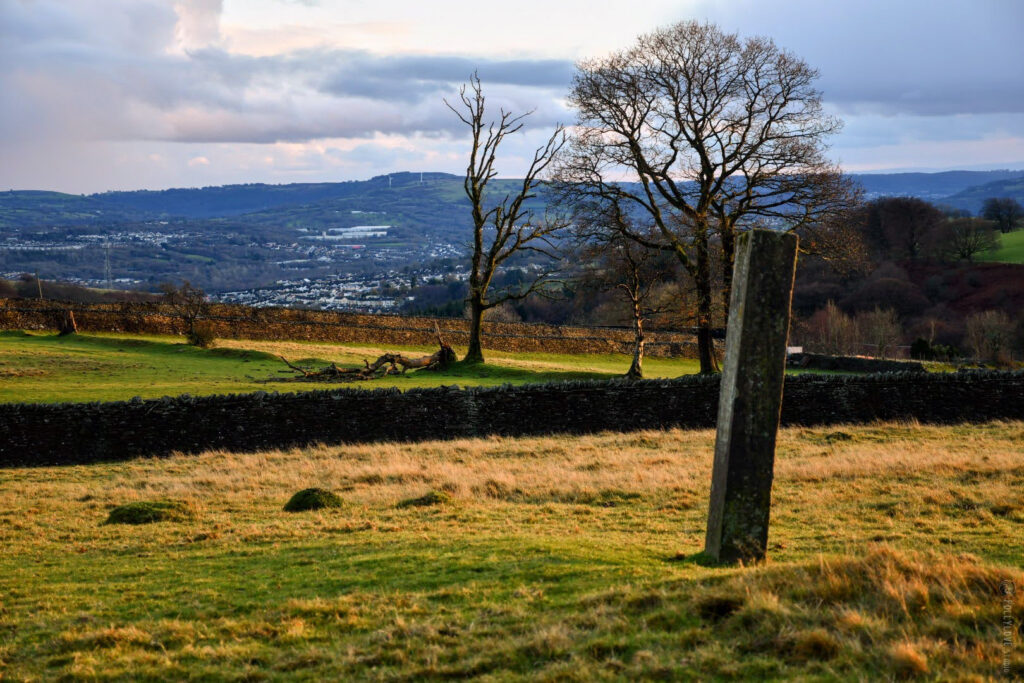
What remains of Capel-y-Brithdir is a platform denoting where the chapel once stood, and a replica Celtic cross marking its ancient origins. Sometimes you will see a wreath hung around the cross. The graveyard surrounding the chapel remains speckled with standing and fallen graves inscribed in both Welsh and English. The grass here is long and unkempt, and the bare branches of young silver birches reach upwards or stand guard at the old chapel’s entrance. In ancient times sacred spaces would have been enclosed within circular boundaries. As with Capel Gwladys, if you take the time to look, you will notice that there is a familiar curvature to the Capel-y-Brithdir site.
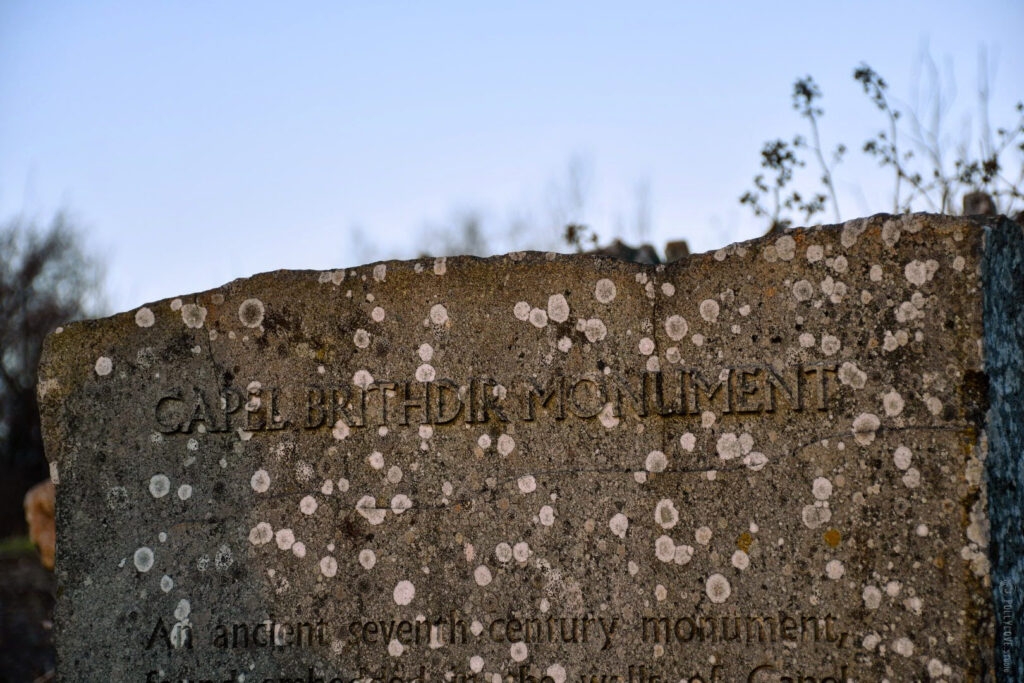
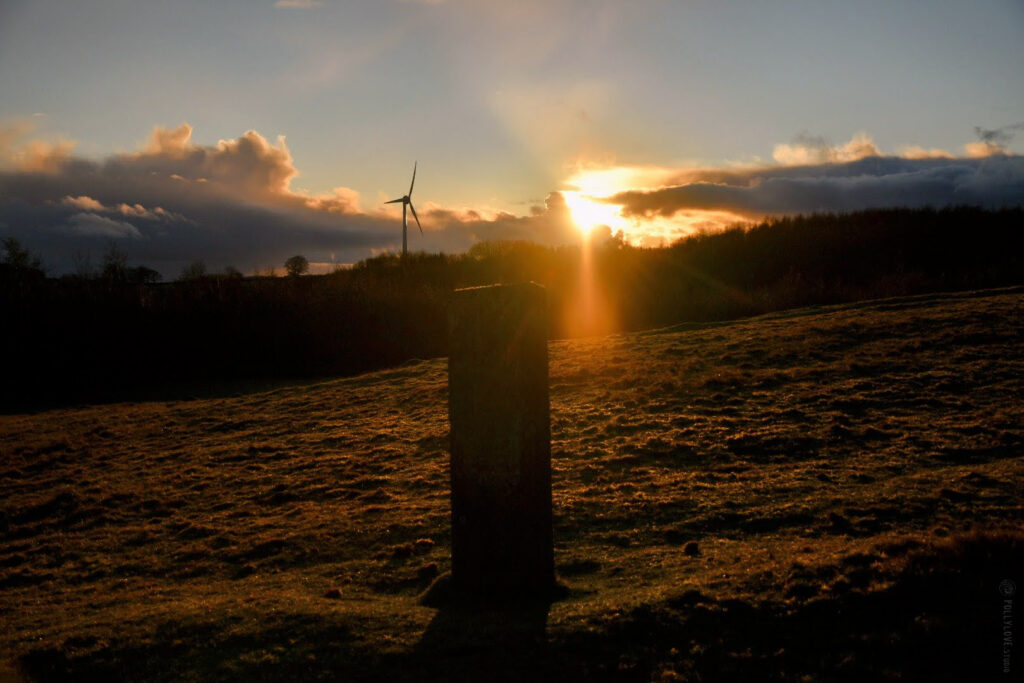
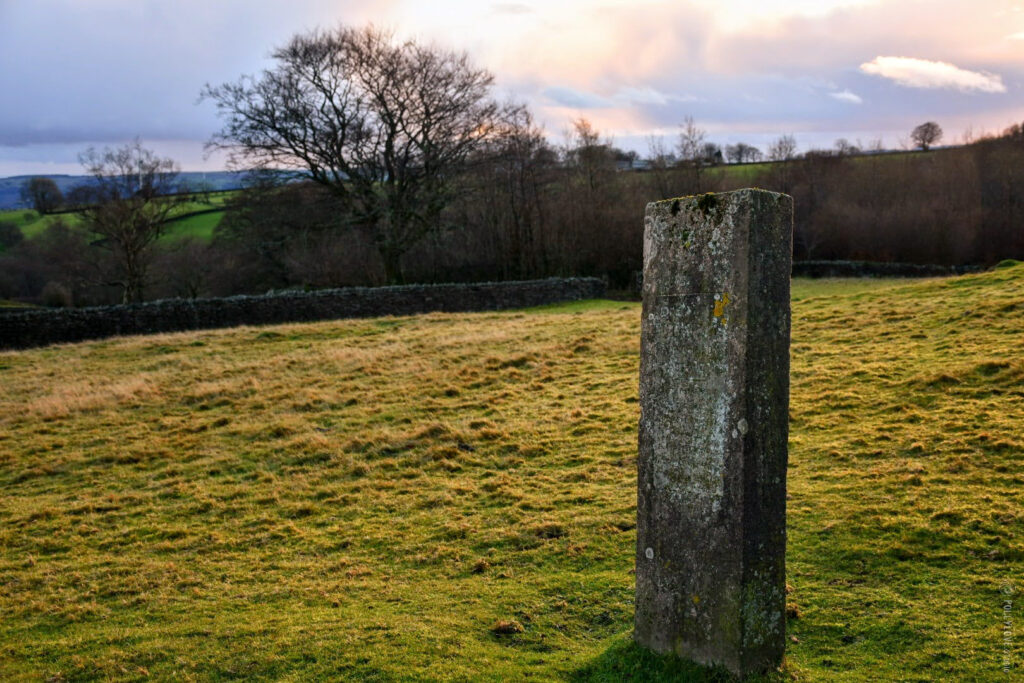
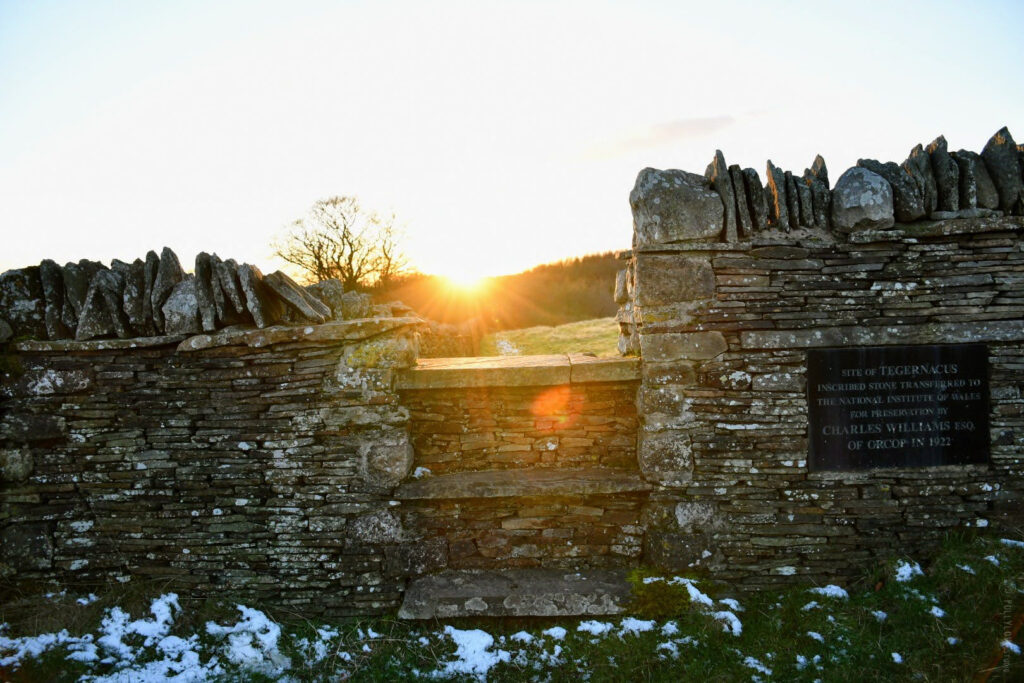
A few metres away from Capel-y-Brithdir sits a replica of the Tegernacus Stone. It stood here in the 7thCentury, and possibly even earlier. The original is now housed in the National Museum of Wales in Cardiff. Inscribed on the stone are the Latin words: Tegernacus Filius Marti Hic Iacit which translate as Tegernacus Son of Martius lies here. The original stone is an irregular slab with a plain face apart from its inscription. According to the National Museum of Wales the name Tegernacus is a Latinised version of an early Brythonic name which means “one who rules”. The Welsh word Teyrn – meaning ruler, sovereign or monarch – is a derivative of this name.




There are a several routes to reach Capel-y-brithdir however on Wednesday the 17th of December we will be leading a guided walk to the Capel, leaving from Parc Cwm Darran at 0930hrs. Enjoy a pre-Christmas walk and enjoy the beauty of the Cefn y Brithdir and Cwm Darran area. Further details will be published on our website here [link to get involved). The route will be approximately 9km long and will involve paths, tracks and open moorland, sturdy footwear and warm and wet weather clothing is highly recommended. Join us! There is a warm welcome to all!
All the beautiful photographs in this blog were taken by the artist @pollylove.studio