A Brief Overview of the Geology of the Gelligaer and Merthyr Common
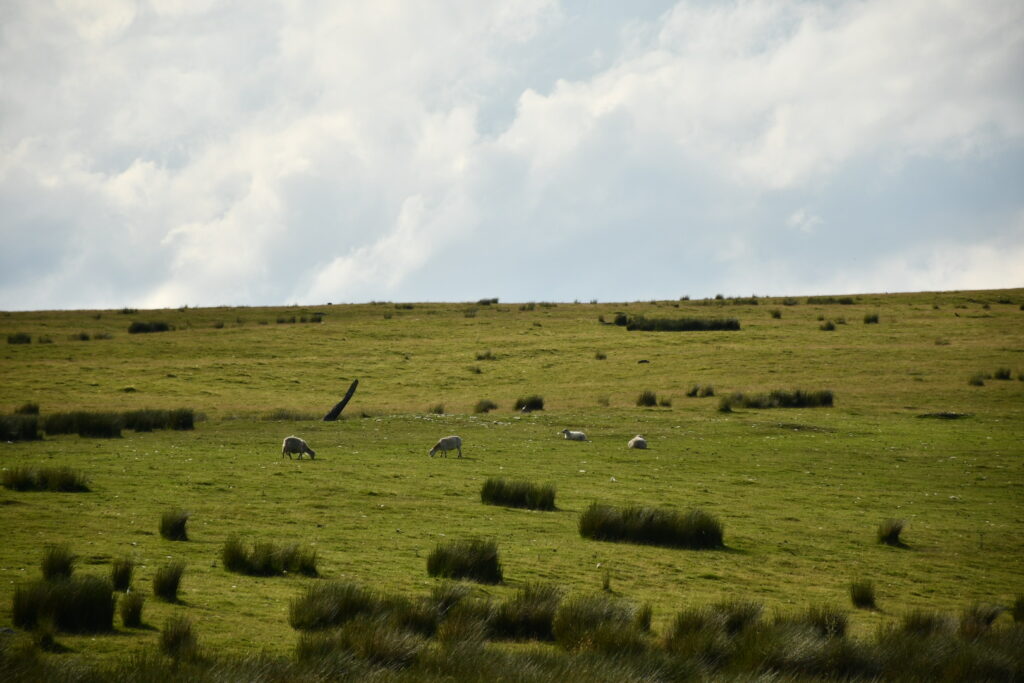
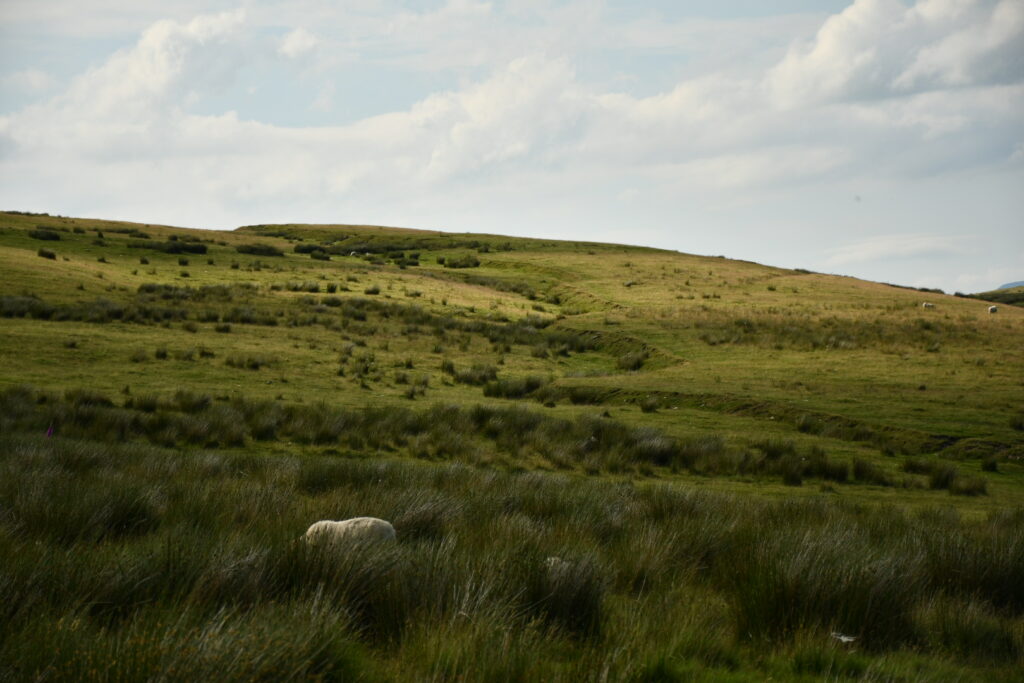
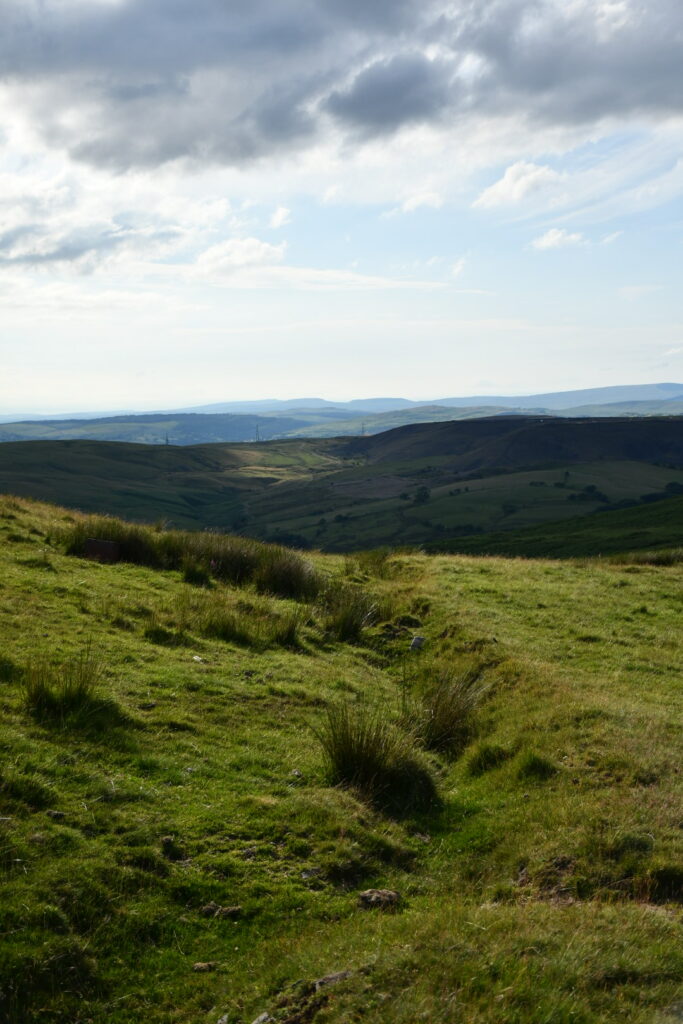
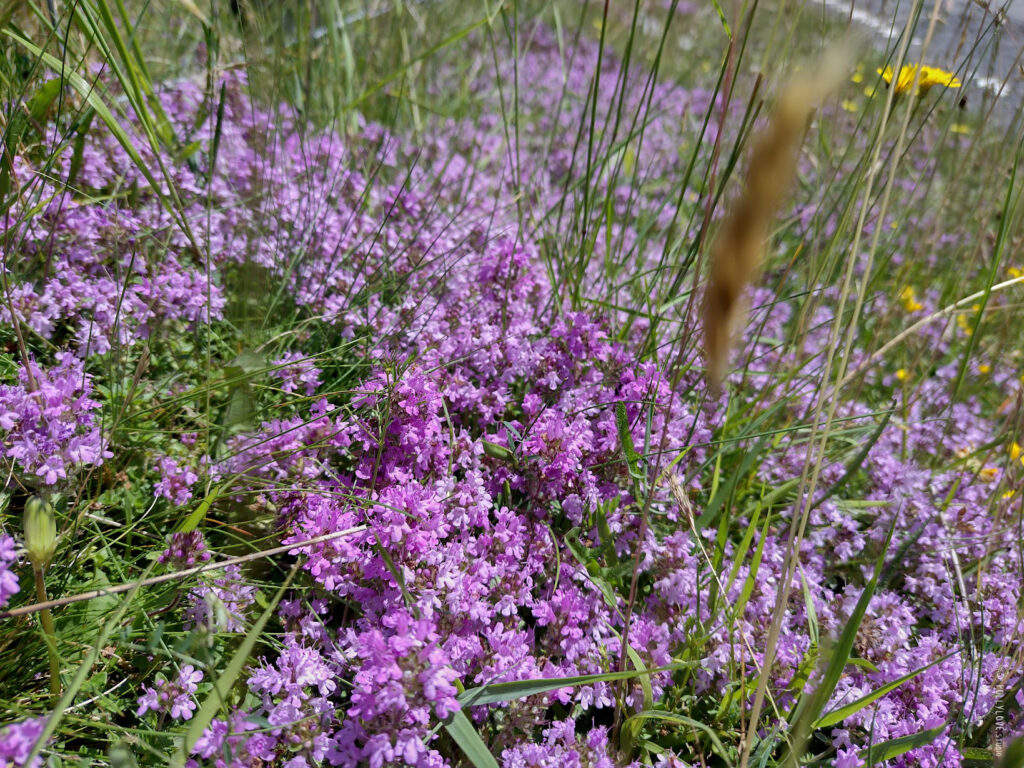
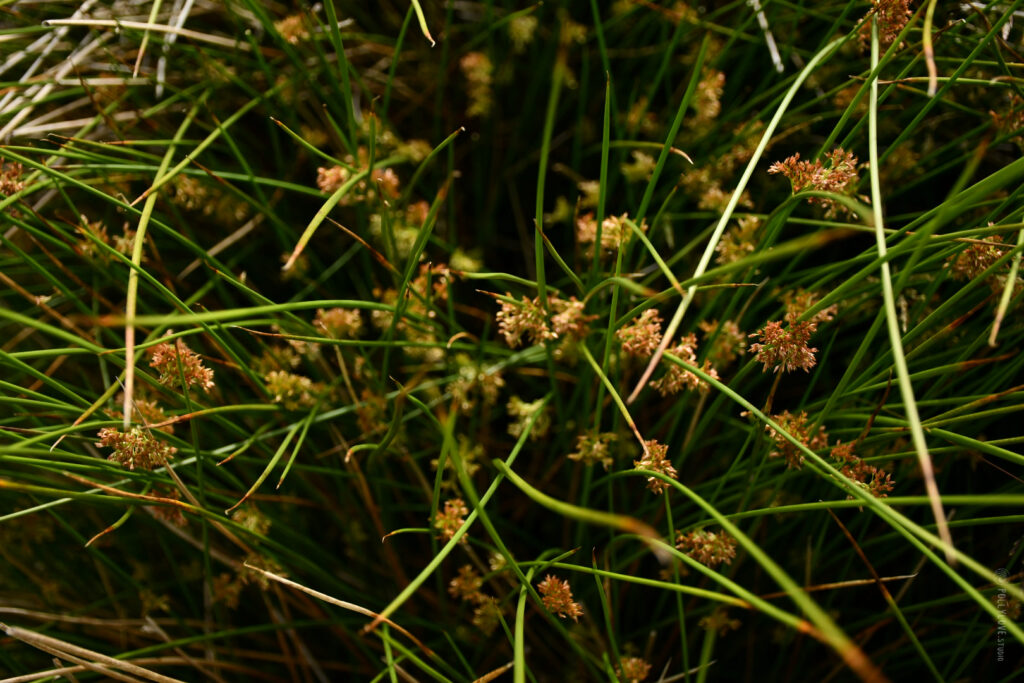
At the summer’s zenith, there is nowhere more beautiful than the Gelligaer and Merthyr Common. It’s a moorland that lies at the north end of the South Wales Coalfields. Looking across the landscape, what hits you is the great expanse of it, with views stretching far towards the Severn estuary in the south and the peak of Pen y Fan to the north. Cairns protrude from the land here and there from Bronze Age burial chambers. The Ffos y Frân opencast has left an industrial scar on the land at its northern end.
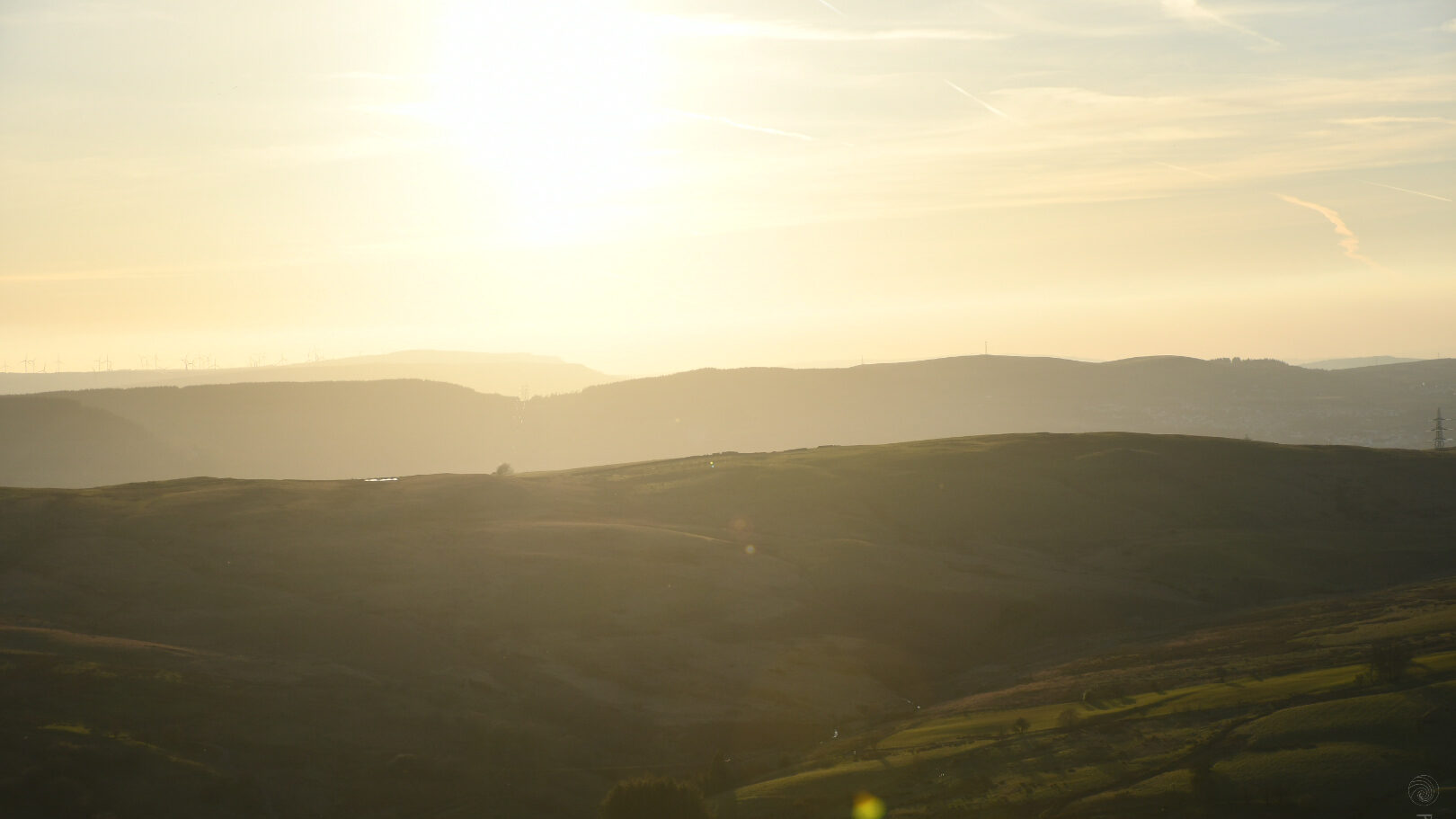
Despite the coal works, the quarries and the Common’s vanished villages, one intriguing aspect of the landscape is that its essence has not changed much over millennia. Its visible geology acts as a bridge between our present day and the age that existed many, many, years ago – long before humans roamed the earth.




How Coal Was Formed
The rocks of this green, wildlife-filled plane, were formed between 280 and 340 million years ago. This range of years, called the Carboniferous Period, is so vast it’s difficult for the mind to find meaning in so large a scale. It is a part of a larger period known as the Palaeozoic era and in Wales it was defined in1822 by the Geologist (and Dean of Llandaff) William Daniel Conybeare. In his book The Rocks of Wales, the Geologist Dyfed Elis-Gruffydd writes:
“The period is divided into two sub-periods, namely the Lower Carboniferous or Dinantian and the Upper Carboniferous or Silesian.”
The main feature of this period in Wales is that it formed the Carboniferous Limestone and – in terms of the Gelligaer and Merthyr Common – it is the period when the Coal Measures were formed. In this piece, sometimes the word Coal Measure is used and at other times coal seam is used. As a point of interest, a Coal Measure is the whole body of rock which contains dozens of coal seams amongst other rocks such as shale and sandstone. In South Wales, a Coal Measure amounts to thousands of feet in thickness. A coal seam, on the other hand, describes a specific, thin layer of coal.
The Common Under the Sea
At one point in history the Common would have been under the sea but over time this sea became shallower and shallower. Following this, the land was full of swamps and mud flats, covered by rich vegetation. Over time forests formed in this area.
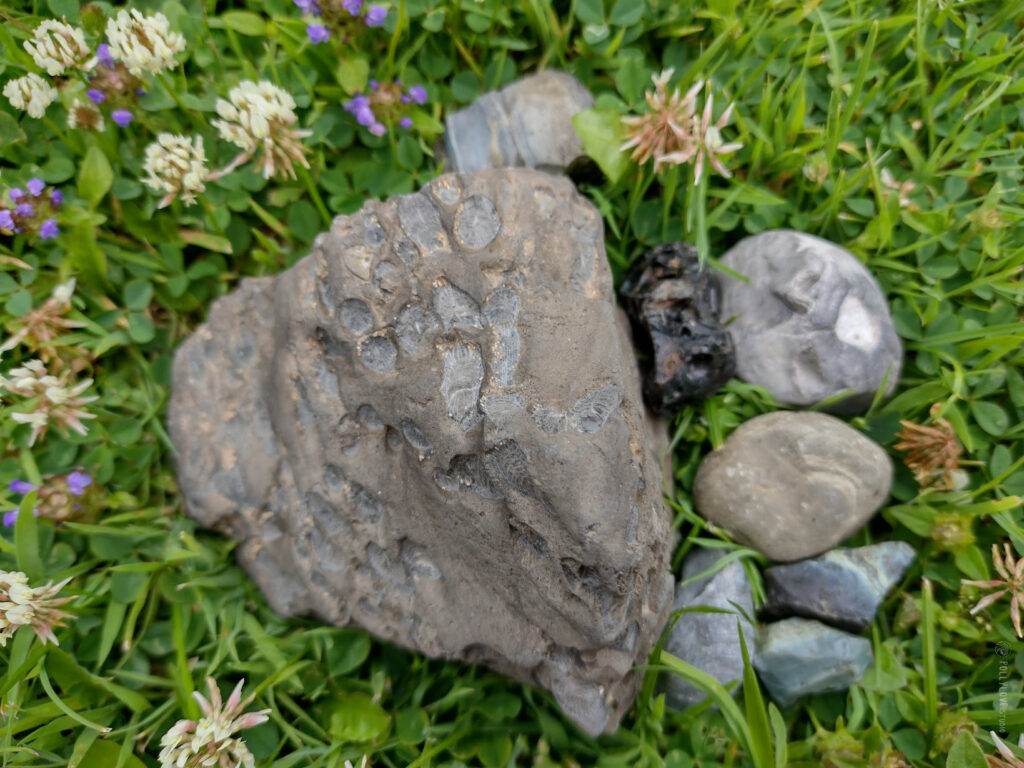
But with the passage of years, the land slipped back into the sea once more and sand and mud spread over the remains of the forests. As a result, these forests became embedded in the land and transformed into coal seams. Amongst these coal seams a dearth of fossils can be found revealing the kind of vegetation and creatures that lived here once upon a time: the ancestors of crabs, mussels and cockroaches.

The Pennant Sandstone

Because of the constant change in sea level, many coal seams were formed as well as layers of clay, shoal and sandstone. The Pennant sandstone was formed in this way too, and it is this stone that separates the higher coal seam from the lower coal seam.
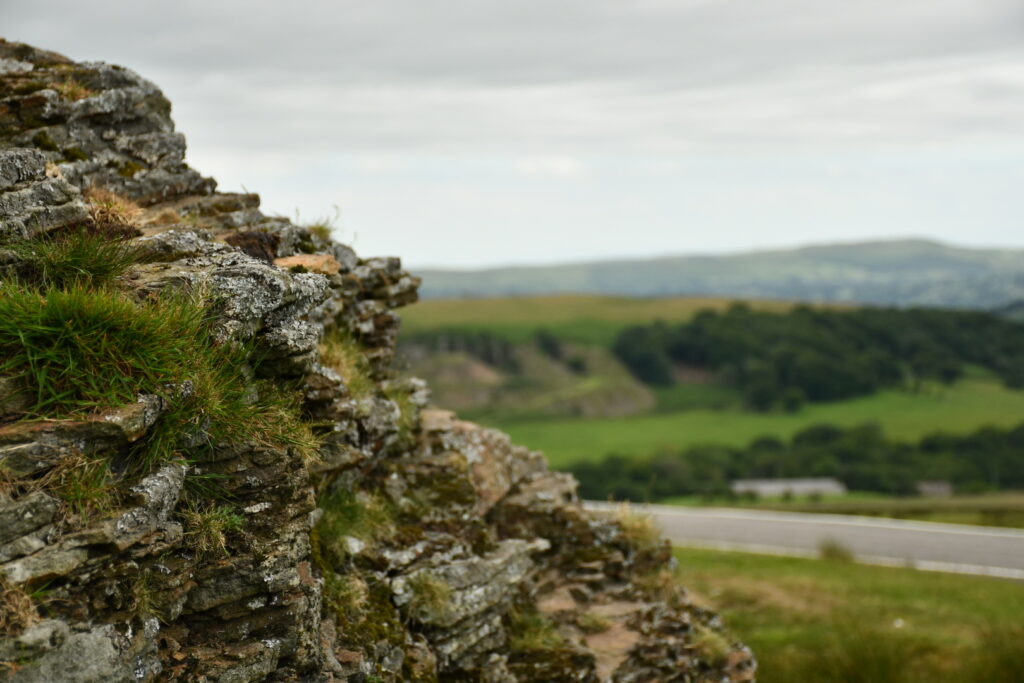
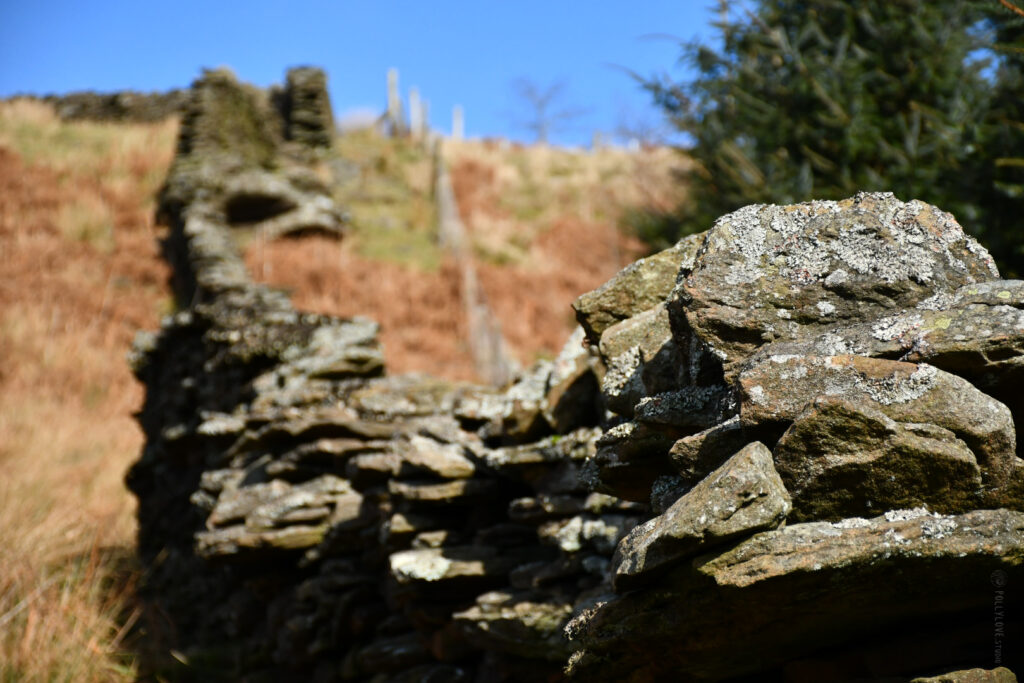
Evidence of the Pennant stone can be found all over the valleys. It can be seen in the villages and towns that border the Common as this is the stone that was used to build the oldest houses in our area. It is a blue-grey stone that turns a rust colour when exposed to the elements. On the Gelligaer and Merthyr Common the remains of Pennant quarries protrude from the land still. Between the layers of coal – which is a soft rock – there are layers of the harder Pennant stone and this rock creates a wall, more or less, between Fochriw and Bargoed and another between Bedlinog and Trelewis.




The Ice Age
Later came the Ice Age. Arctic conditions reigned over much of northwestern Europe. The snow piled up and in time turned to ice.
The ice melted about 20,000 years ago and left ridges of gravel along the Caiach in Nelson and along the Cylla in the area where Penallta Pit once stood. The Cwm Bargod stream – which flows from the Common through Bedlinog, Trelewis and Quakers Yard into the Taff – used to flow down into Ystrad Mynach. One theory for its deviation is that an iceberg blocked the stream, forcing it to divert into the Taff instead. An ‘empty valley’ of this kind, which connects Nelson and Ystrad Mynach, is known geologically as a ‘wind gap’. There is something almost poetic about a valley that has lost its river.
The Common does not look exactly as it did when it was formed during the Ice Age. Since this time there have been a number of landslides. In particular, there was a series of big landslides in the eastern edge of the Coal Fields in the area where the hard Pennant stone rests on the softer stone beneath it. The soft rock beneath the Pennant erodes easily, causing landslides into the valley. There are examples of smaller landslides of this kind near Troedrhiwfuwch and also to the south of Fochriw.


The Gelligaer Fault

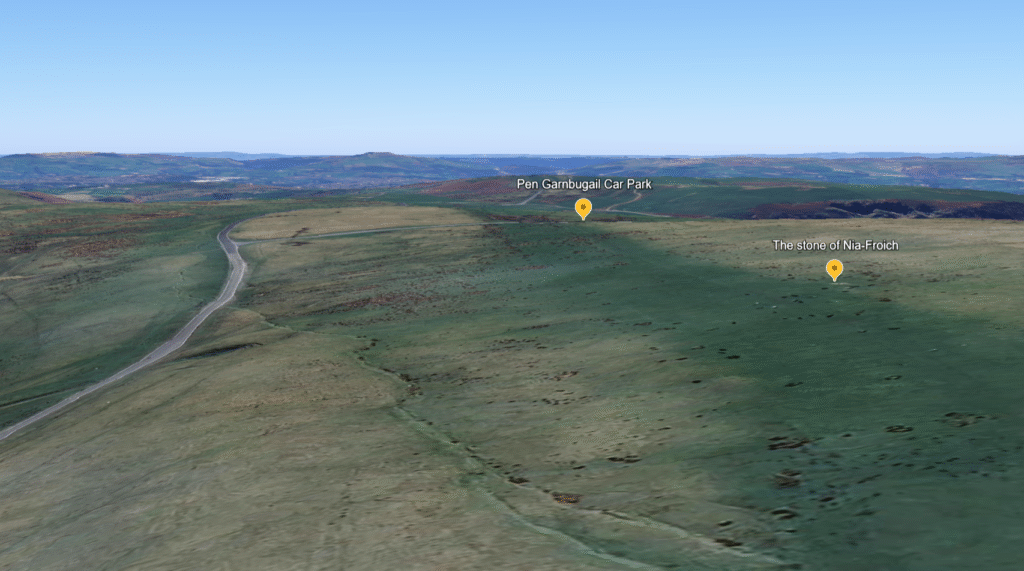

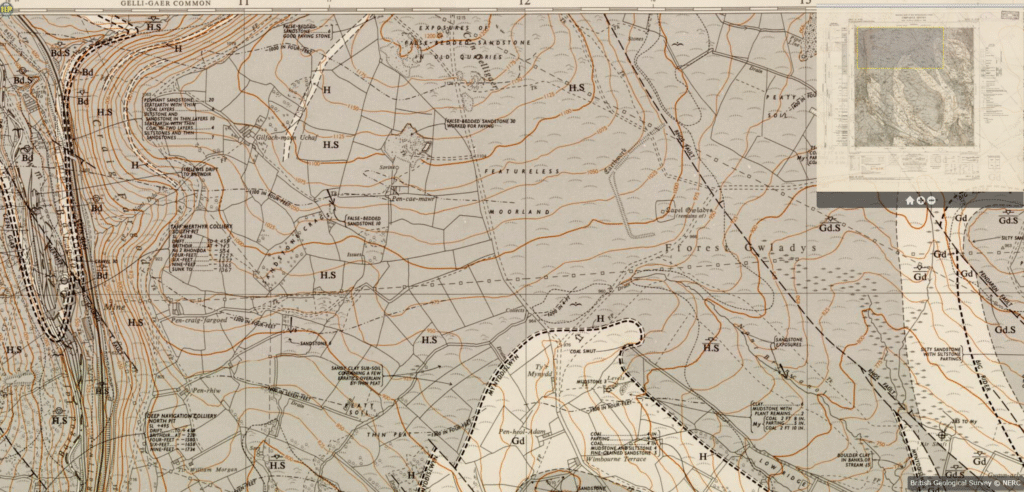
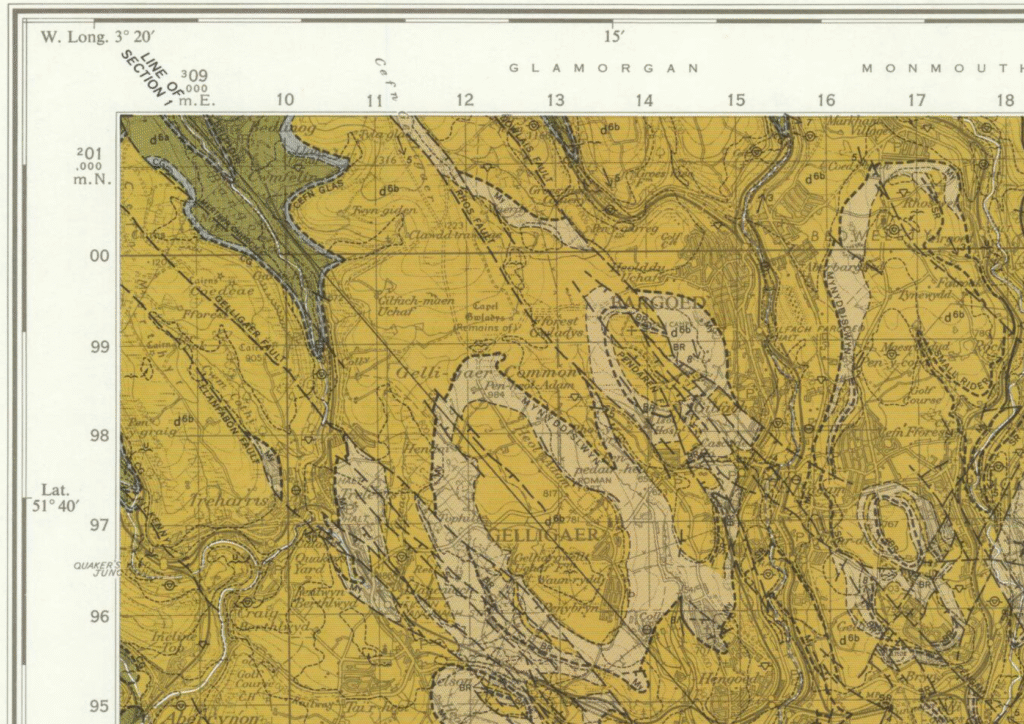
If you walk from the Car Park at Pengarn Bugail northwards along the Common, or if you are travelling on the road in the direction of Pentwyn from the south, you will pass, on your left, a long stone leaning eastward. Locally the stone is known as Y Garreg Waun Hir, and according to legend, a Roman Solider is buried beneath it. Just beyond this stone you will see an obvious break in the land. This is the Gelligaer Fault. It wends its way northwestwards. In some places it is a clear ridge above ground although it appears later, as a crevice. To use Dyfed Ellis-Gruffydd’s description, a fault is:
“a break in a series of rocks where the rocks either side of the fault plane have moved in relation to each other.”
What is beautiful about this fault is that we are able to see it above ground. The miners working below ground would also notice this fault when the coal seam they were working on seemed to vanish. The biggest of these kinds of faults can penetrate several kilometres downwards. Further along, near Tredomen in the valley that lost its river, the Gelligaer Fault manifests itself as the high cliffs of Penallta Rocks, or Ystrad Rocks as later generations came to know them.
This fault, and all its companion faults within the South Wales Coal Fields, would have been formed 280-340 million years ago – that number again that is difficult for us to grasp. It is this visible link to a past so distant that conjures up a respect for the land. Even if the details evade us, I think that there is something in each of us that intrinsically realises, when walking, running or biking through this landscape, that we are dealing with something beyond ancient.