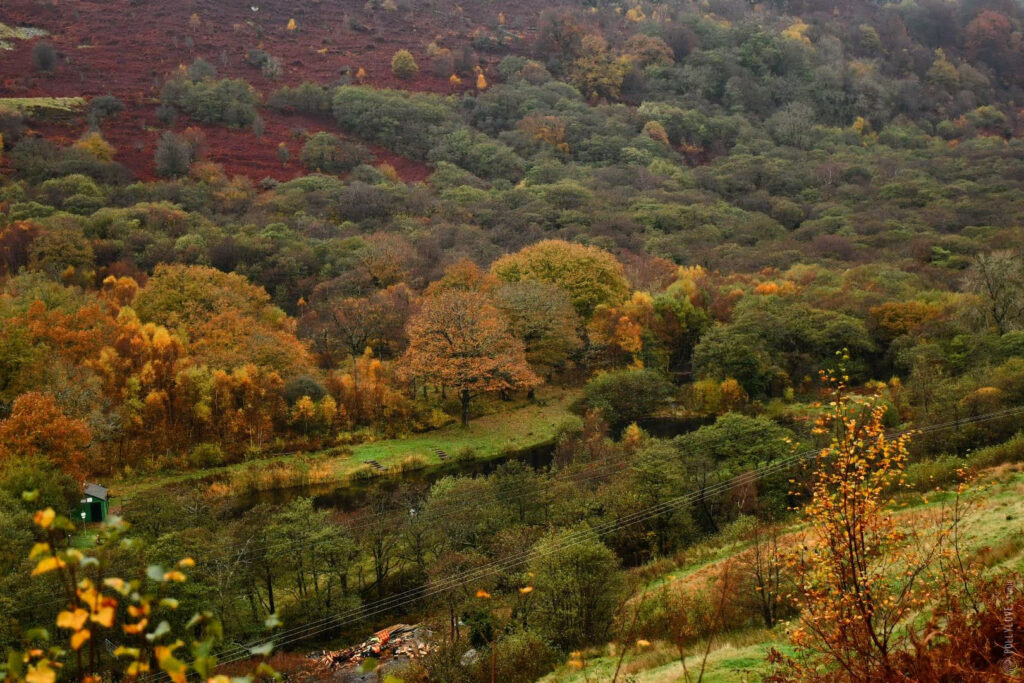
In a field close to Coly Row in Bedlinog, on the lower slopes of Gilfach yr Encil ridge, there is a wonderful pond. Silver birches surround its waters and rushes and grasses grow along its edges. It is a haven for wildlife and an amazing place to sit in stillness and experience the beauty of the nature that surrounds us.

Like many of the common’s ponds this one is man-made. But where others were connected to the coal mining or ironworks industries this one was made by the German Luftwaffe during World War Two.
Remembrance Sunday is held in November each year to commemorate all those who died fighting in Britain’s wars not only both World Wars but every single conflict that followed. The Royal British Legion coordinates the annual Poppy Appeal and issues the widely recognised Red Poppy. The lesser-known white poppy is issued by Cymdeithas y Cymod – or The Peace and Reconciliation Society in English. These poppies are worn to remember not only those who fought and died but all those affected by war – including the civilian causalities. Wearing the white poppy also shows a desire for peace.


It is this time of year that brings to mind the bomb drop in Bedlinog during World War II. Different dates are given in various places for the bombing but, according to Carwyn Hughes, who has written for the Gelligaer Historical Society, the Luftwaffe dropped the bomb on Wednesday the 31st of July 1940. At that time many of Bedlinog’s men were away, fighting in places as far afield as Africa and Europe. But on that summer night, back in Bedlinog, the windows of houses in the streets close to Coly Row exploded with the blast-wave.

Carwyn Hughes writes: “My grandparents, who lived in nearby Hylton Terrace, were unfortunate to have the plaster ceiling descend upon them in bed, so when they appeared from their bedroom they looked like a pair of white shrouded ghosts.”
Thankfully, no one in Bedlinog was hurt.
The reason for the bomb being dropped here was never fully explained but there are different theories. One is that the plane was in difficulty and needed to jettison the bomb to reduce weight and avoid being involved in a crash or explosion. According to one local story, the RAF chased the Luftwaffe causing the German plane to drop the bomb in an attempt to gain speed and get away. Another theory is that the real target was the steelworks in Dowlais which produced armaments during critical periods of British history. Yet another theory suggests that it was the railway line running from Dowlais and past Bedlinog that would have been the target. Whatever the reason, that same evening bombs were also dropped in Barry, Pontrhydyfen and Monmouth.


To quote once again from Carwyn Hughes’s piece for the Gelligaer Historical Society:
“Within ‘our’ area Penpedairheol had a raid on 16th December 1940; Tredegar/ Rhymney on 20th February 1941 and Pengam on 5th August 1942. On the night of 29th August 1940 there were 24 raids on Glamorgan and 17 on the night of the 18th of January 1941. These were concentrated on the ports of Newport, Cardiff, and Swansea.”
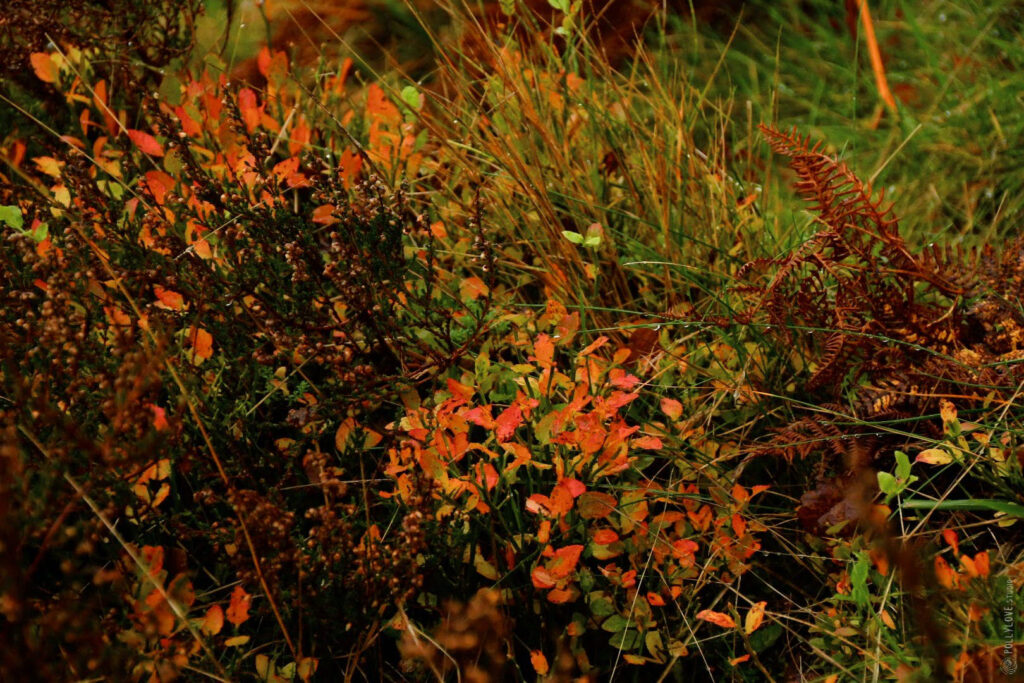

There is something of an unintended tribute to peace in this nature filled pond – that so violent a beginning can lead to an abundance of plants, insects and wildlife thriving here. Amongst the contradictions of nature – its busyness, the calling of birds, the rustling of leaves, the sound of the wind – all that movement and growth – and, alongside the buzzing, the stillness. The peace it evokes is a most beautiful thing.
Thank you to John Ninnis for allowing us to use his beautiful film dedicated to the bomb crater:
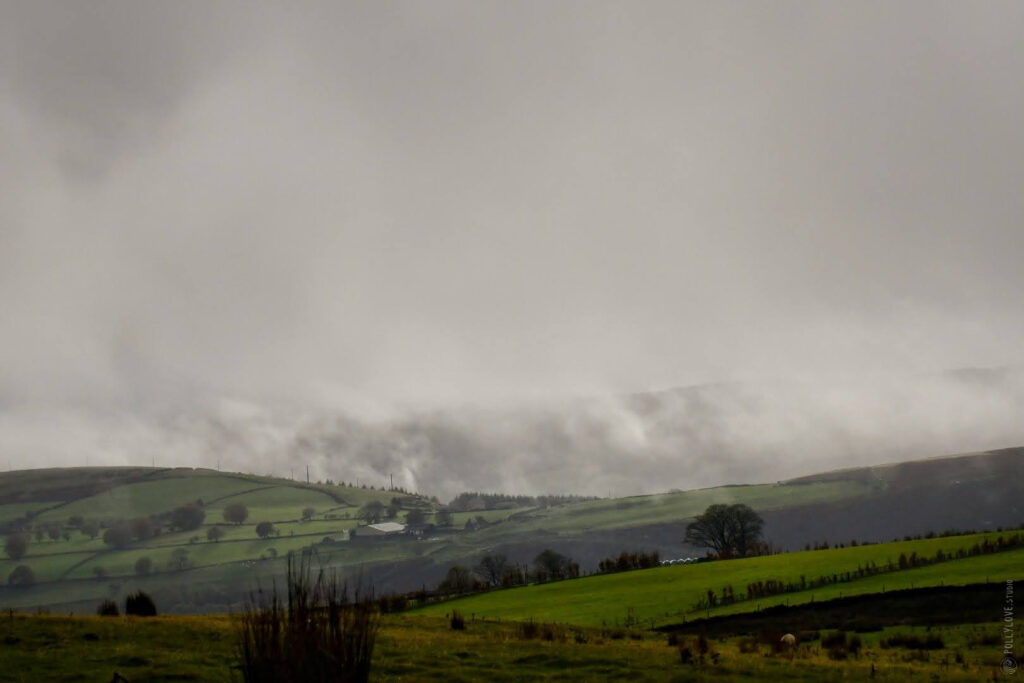
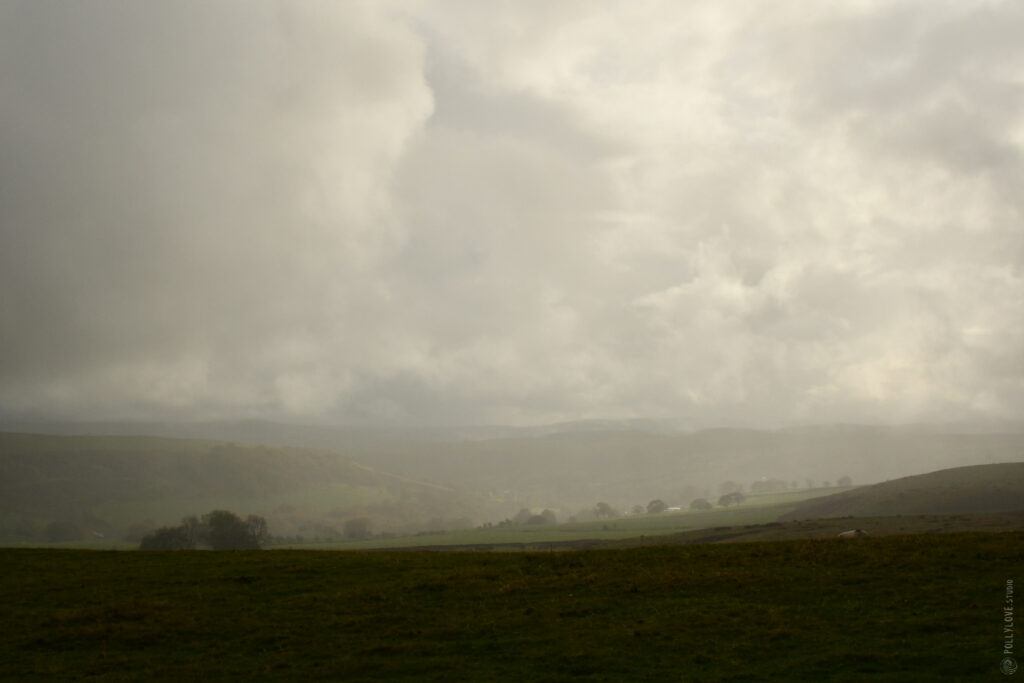
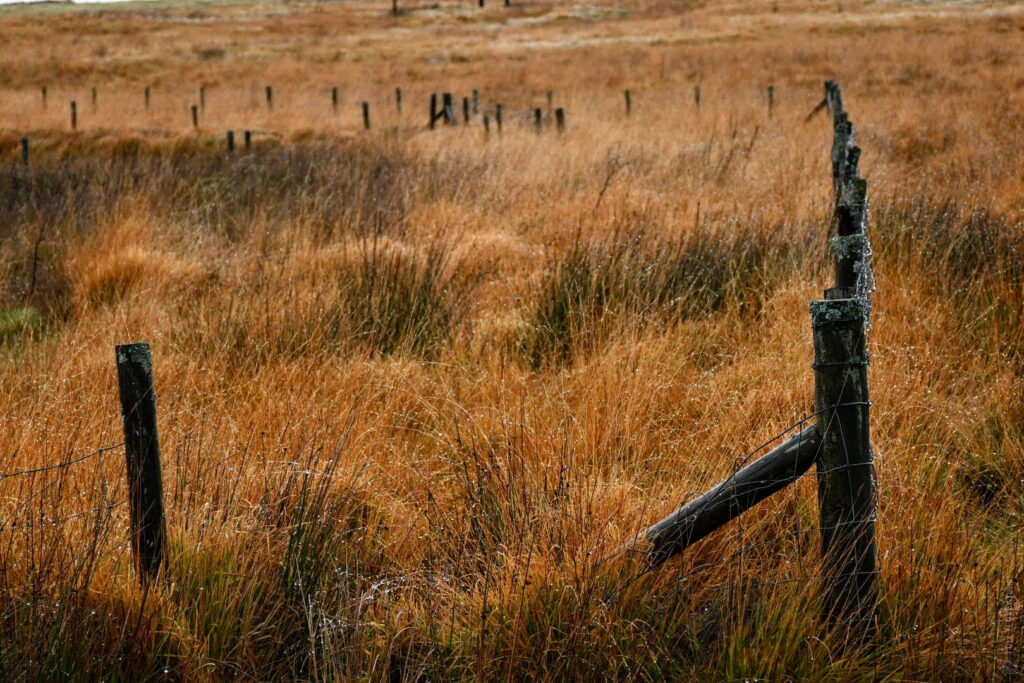
Observations on the common: November