
In June 1831, in the town of Merthyr, just beyond the Cefn Merthyr ridge, one of the biggest uprisings by workers against the ironmasters and the capitalist class took place.
What the workers of Merthyr Tudful, and their coworkers in Aberdare, Penderyn and the region did, was amazing and its effects vibrated throughout the rest of history. While the owners of the ironworks lived in mansions the people of Merthyr were starving. Their wages were low, food prices were high and when they couldn’t pay rent bailiffs would turn up at their homes to confiscate their possessions on behalf of the Court of Requests.
The workers of Merthyr had had enough. They tried reasonable discussions with the owners of the Ironworks but got nowhere so, in the end, they made them listen. And it all began on the Gelligaer and Merthyr Common.
This event – the planned insurrection by the working class of Merthyr and the surrounding region – gave rise to the Chartist movement. It was also part of the action behind the formation of the trade unions that are still fighting today for workers’ rights and better conditions for society in general. Rights – that we often take for granted – a five-day working week, holiday pay, sick pay, free healthcare, free education, maternity pay – are all the result of demands that workers have made continuously since 1831. None of these were given to us by benevolent rulers and owners. The historian Gwyn Alf Williams wrote:
“In Merthyr Tydfil in 1831, the prehistory of the Welsh working class comes to an end. Its history begins.”
The Role of the Gelligaer and Merthyr Common in the Rising
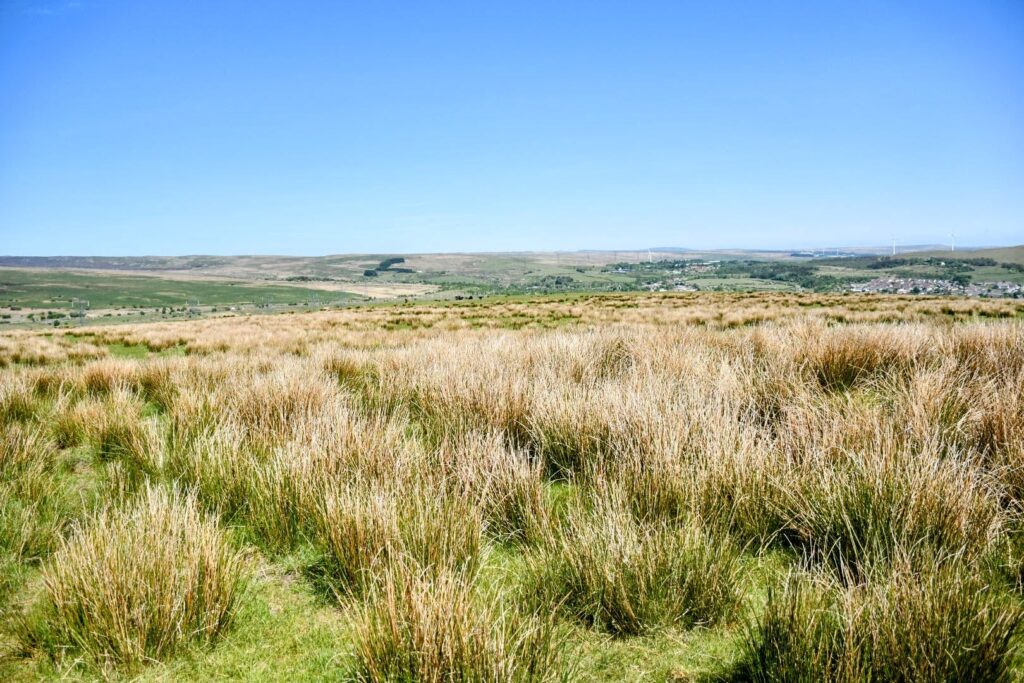
Despite being aware of the Merthyr Rising, few realise that it was on the Gelligaer and Merthyr Common that the riot itself was organised, at a meeting held at the Waun Fair. It was a big fair, famous in the region, and was held near Pantywaun, one of the Common’s disappeared villages – demolished in the 1960s to make way for open cast mining.
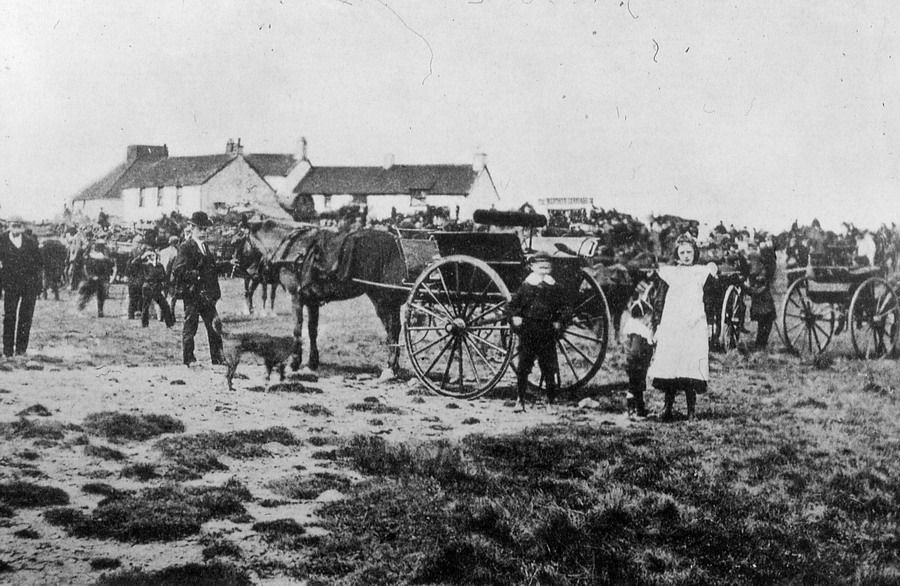
The fateful meeting on the Common was arranged for the 30th May 1831. This kind of arrangement – a public meeting of the workers at the Waun Fair – was a common occurrence. It was a good location as the workers of Monmouthshire could also reach it easily by foot. These big, workers’ meetings were held sporadically but often enough to allow them to react to changes in pay and working conditions.
One type of specialised worker in the iron trade was the Puddler. These men worked in the Puddling Furnace turning pig iron into wrought iron. This was specialised work because you had to know instinctively when exactly the iron balls were ready for the next phase – it could not be done by machine. They tended to have short lives, with most dying during their 30s.
Puddlers therefore often used the Waun Fair meetings to rally other workers for improved pay and working conditions. Gwyn Alf Williams writes:
“The action which probably ignited the Merthyr Rising of 1831 was Crawshay’s desperately reluctant dismissal of 84 Puddlers”.1
And the 32 year old man who carried that famous red banner during the Merthyr Rising – probably the first time it was ever used as a revolutionary symbol – was William Thomas Williams, one of Crawshay’s Puddlers. 2
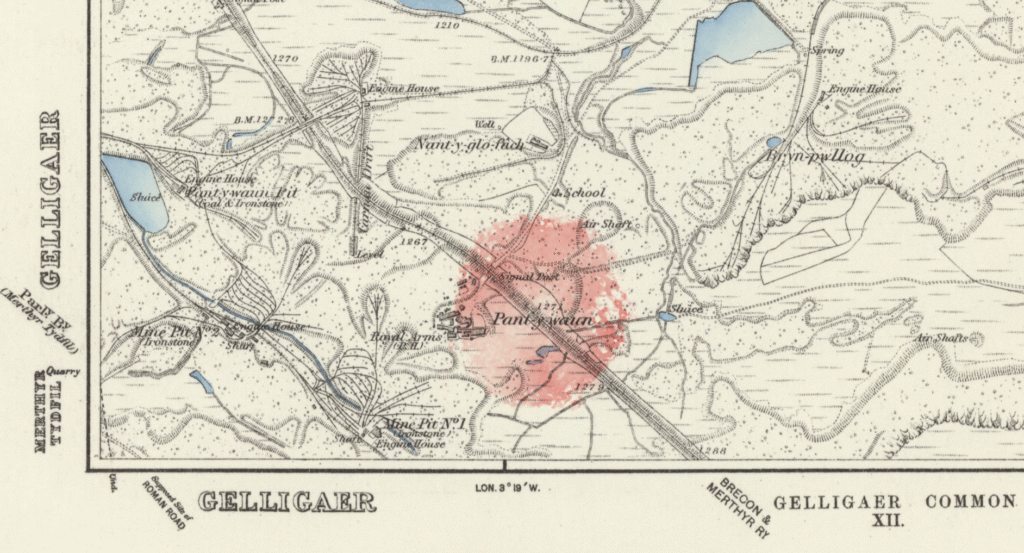
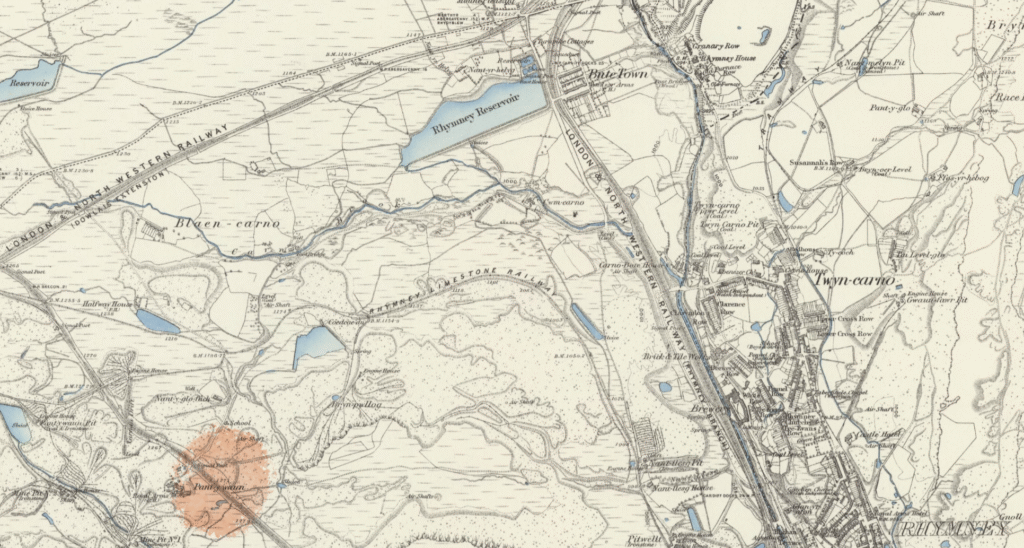
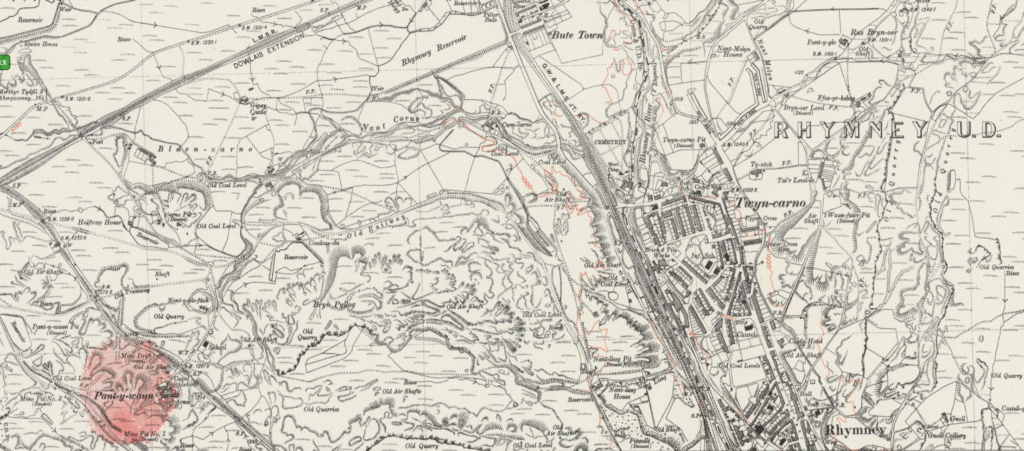
Reproduced with the permission of the National Library of Scotland (For more detailed archive maps of Pantywaun and the surrounding areas please visit: https://maps.nls.uk/geo/find/#zoom=14.8&lat=51.76599&lon=-3.31431&layers=102&b=1&z=0&point=51.76157,-3.32070&i=null)
Marching to the Common
It was the Magistrate JB Bruce – one of Merthyr Tydfil’s ruling officials – who first realised that something major was being planned on the Common. He wrote urgent letters to Crawshay (the Cyfarthfa and Hirwaun Ironmaster) and Anthony Hill (another Magistrate) to warn them about the meeting, but both were away.
Estimates for the size of the crowd on the Common that day range from 2,000 to 10,000 people, and they gathered about 100 yards from the Waun Fair itself.
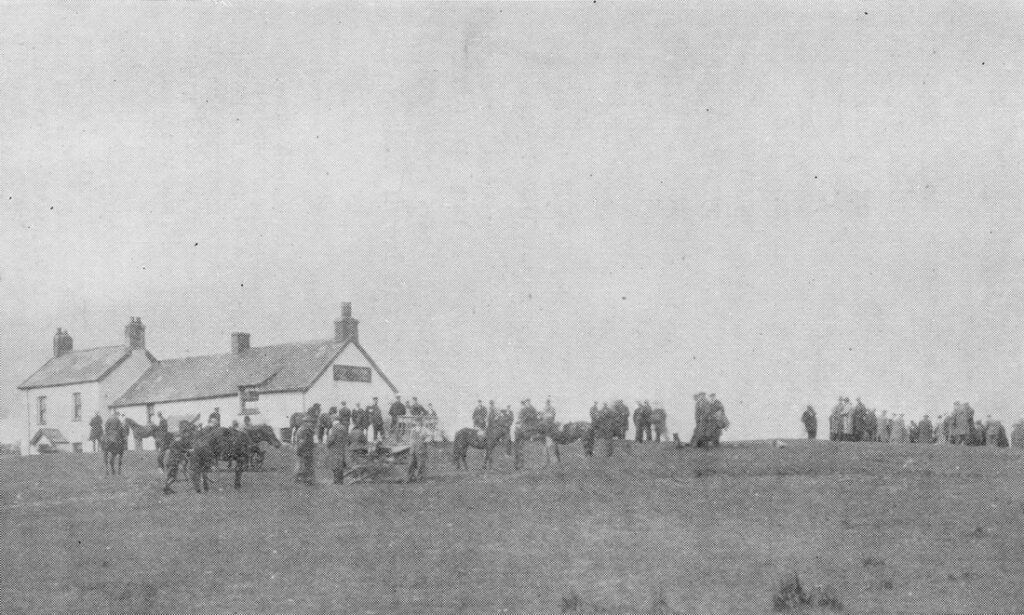
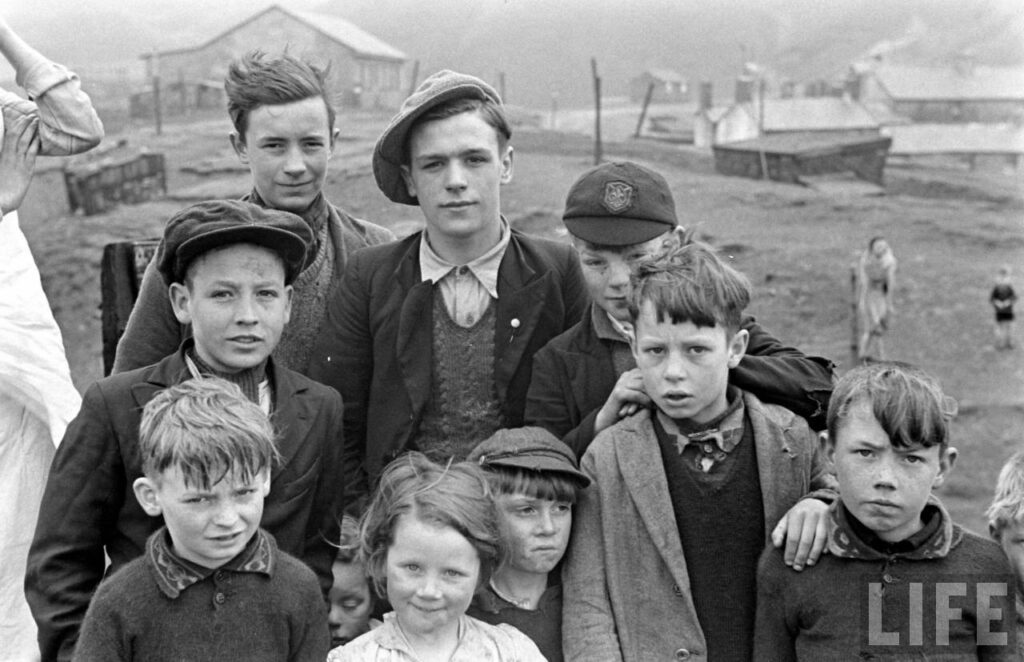
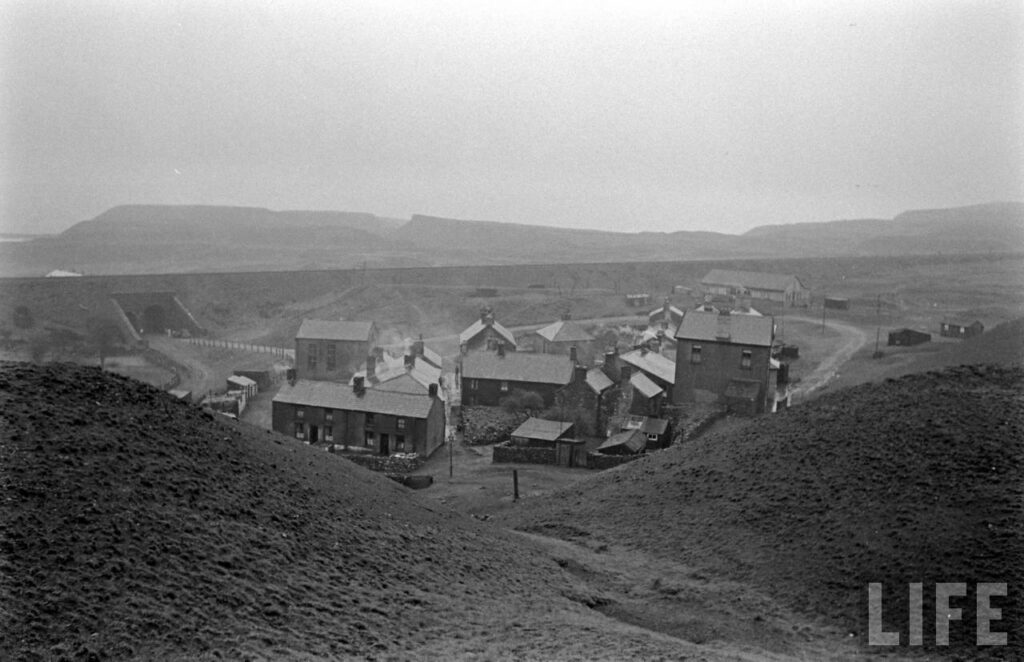
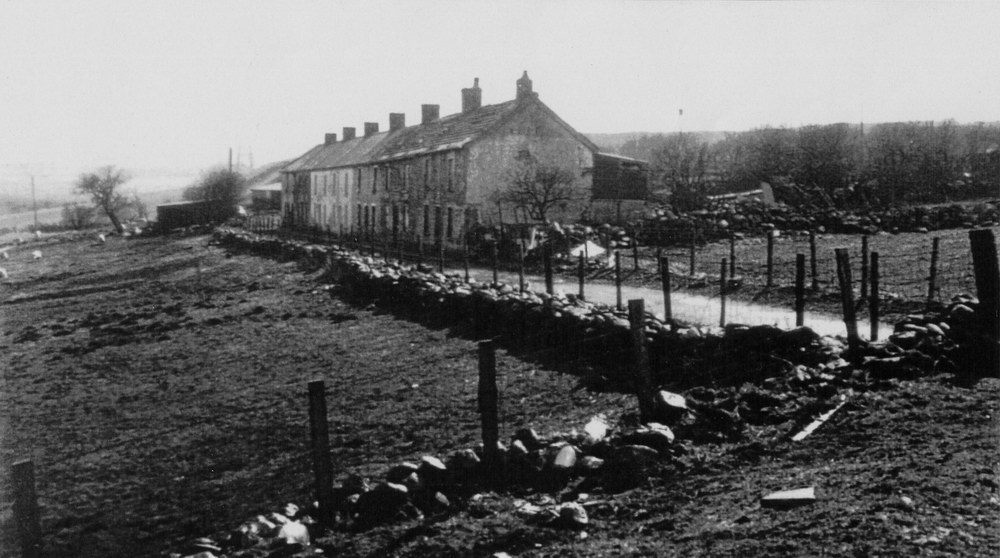
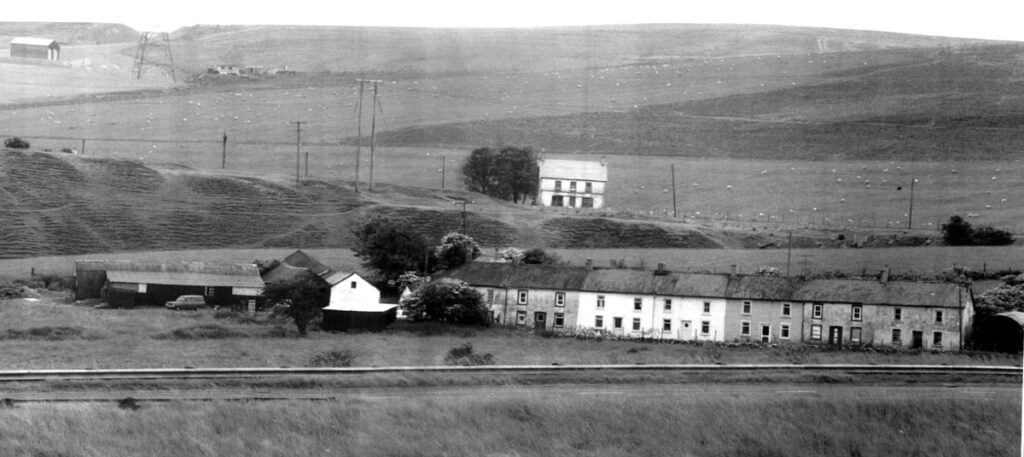
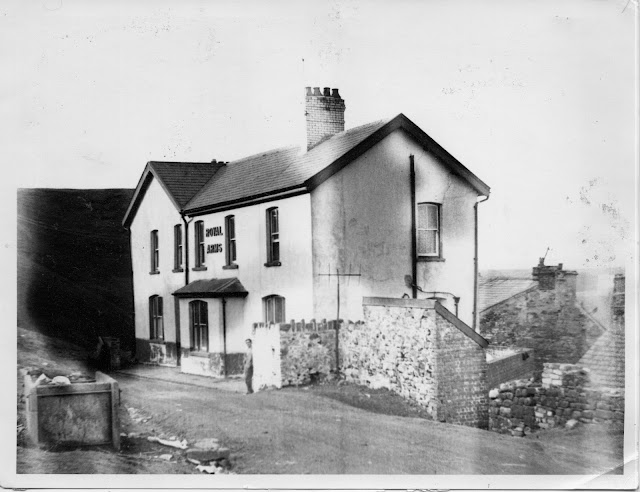
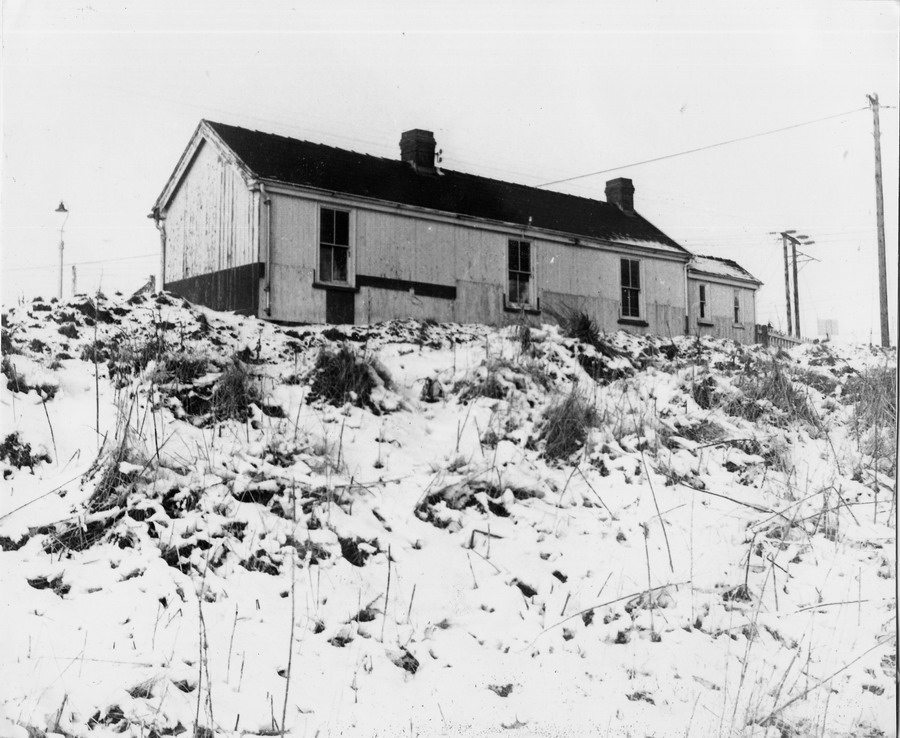
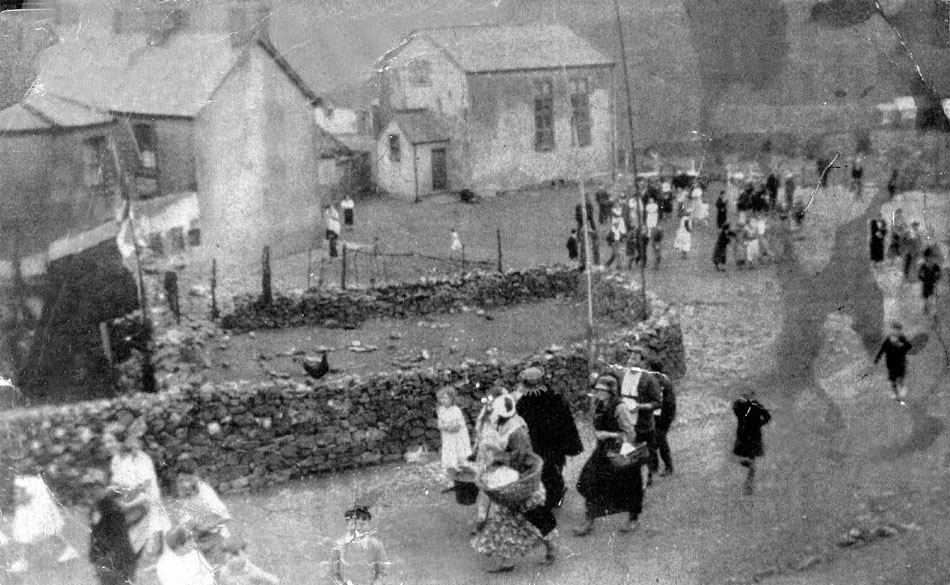
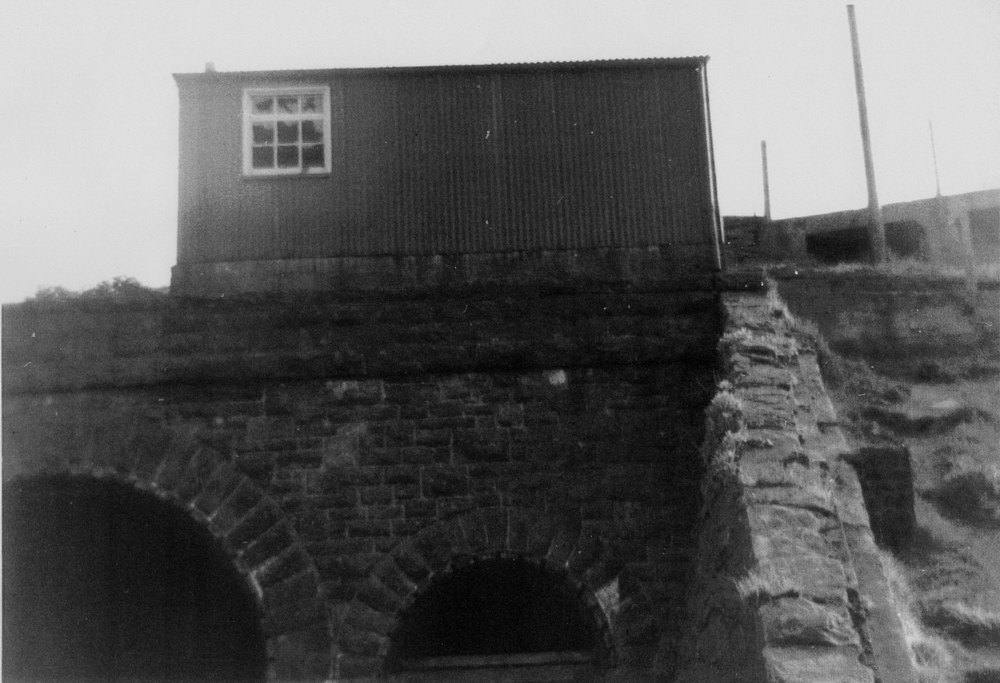
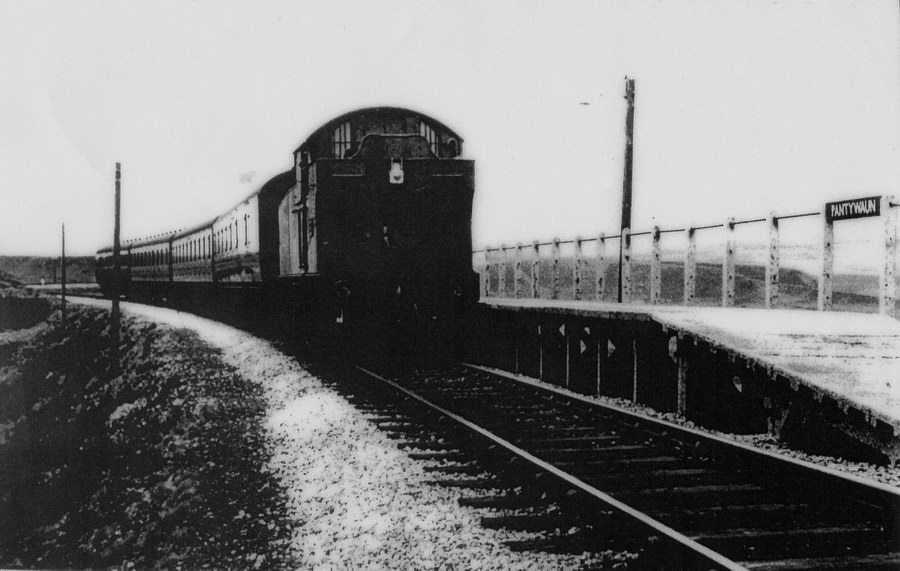
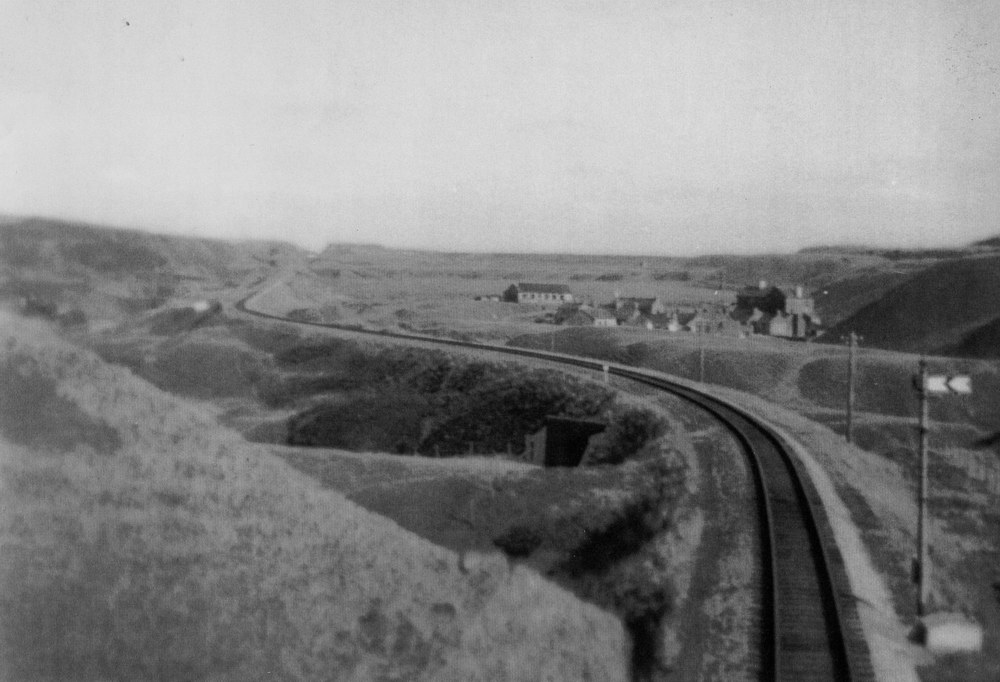
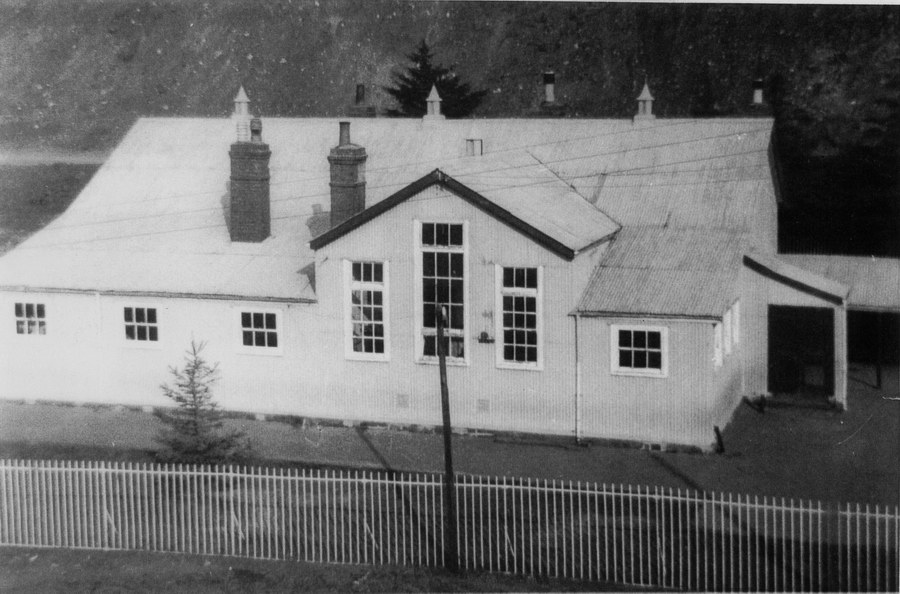
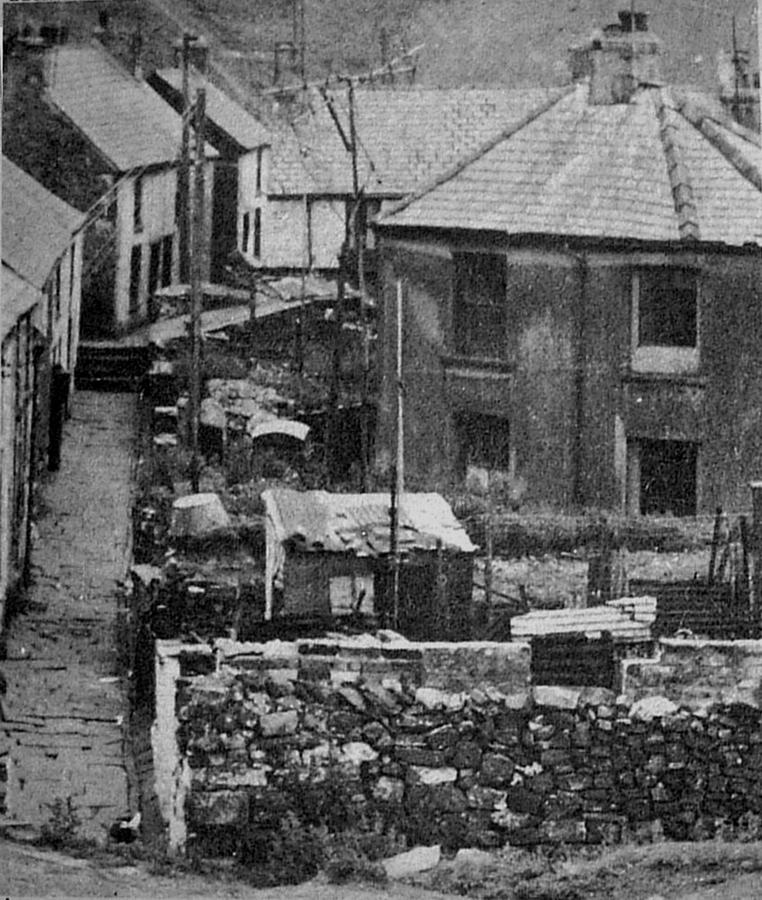
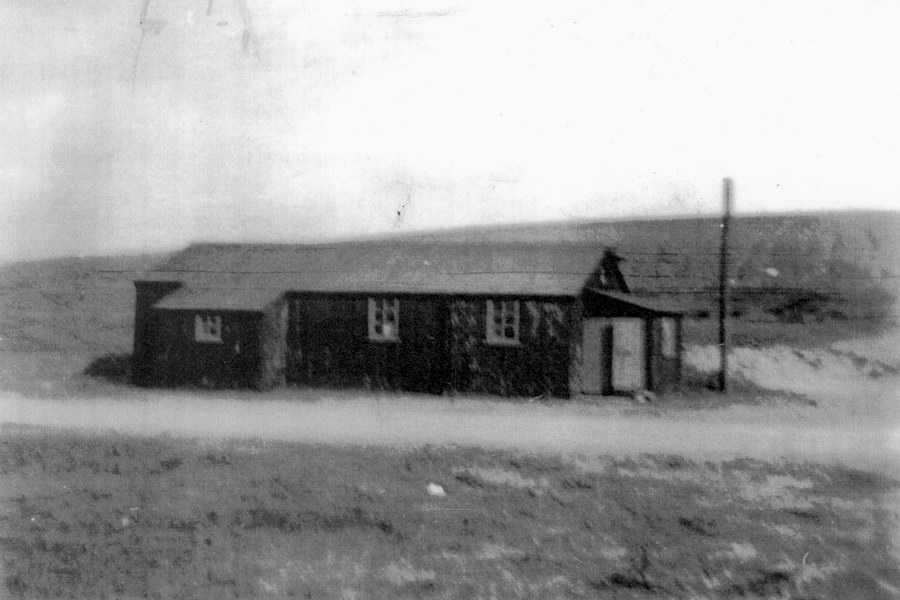
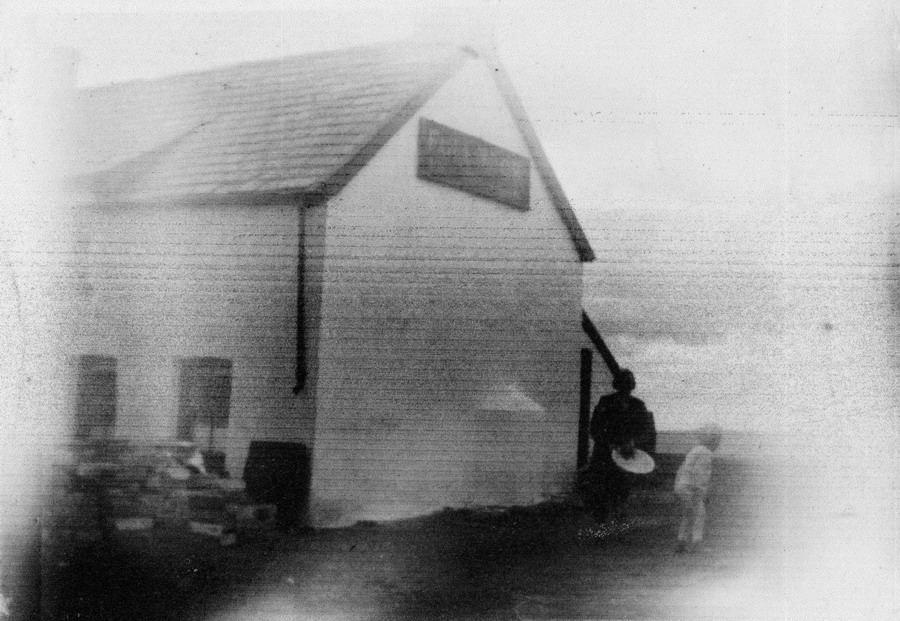
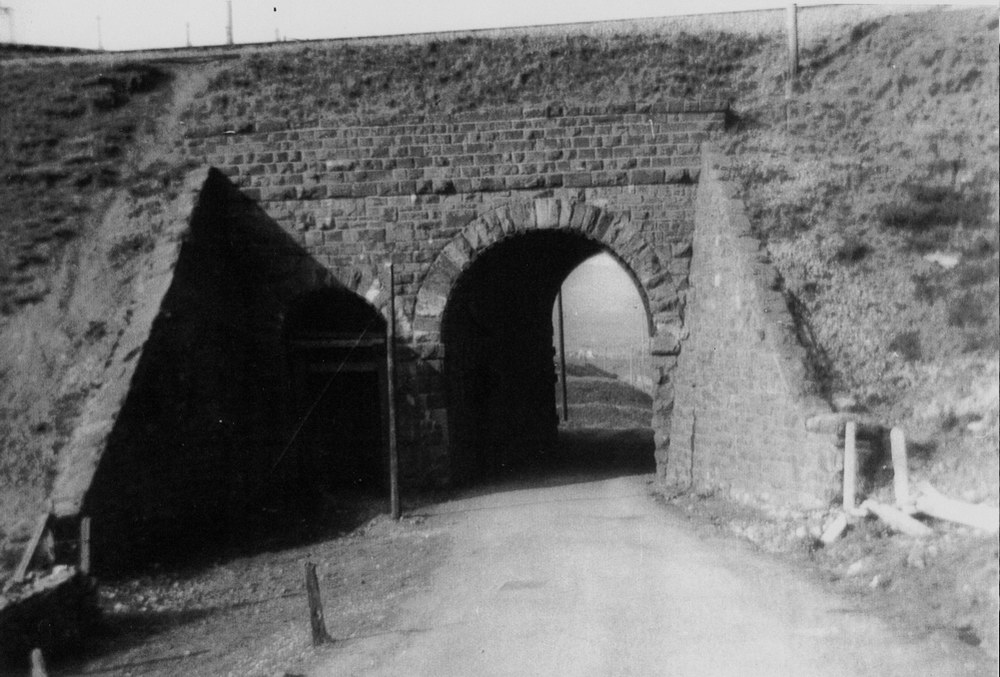
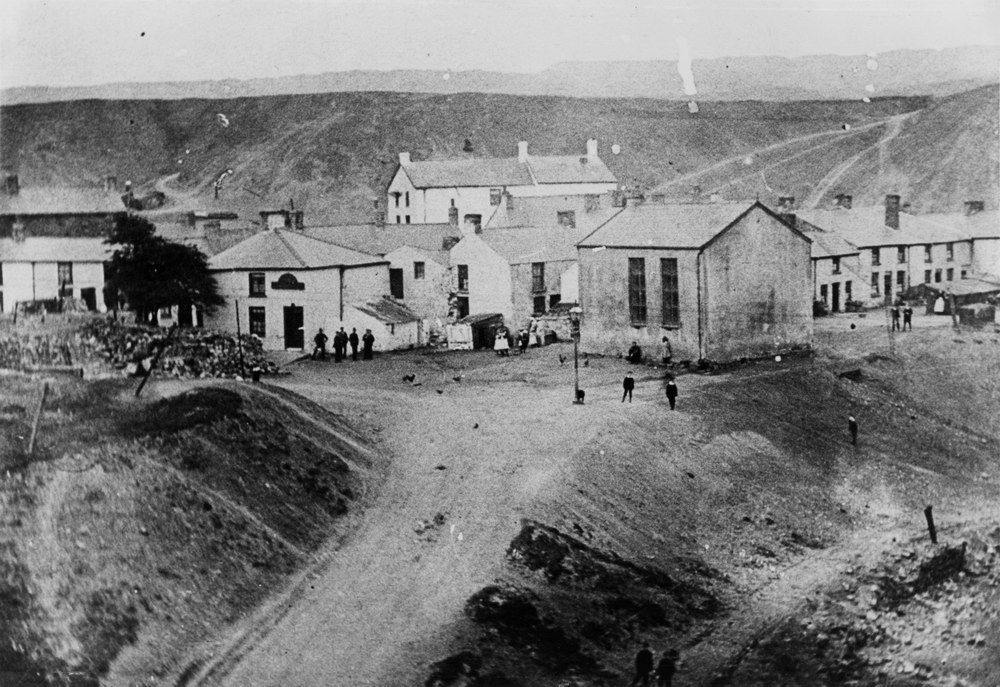
(Please visit and support http://www.alangeorge.co.uk/ for more information and photographs)
The letters by Bruce the Magistrate were written six days before the rally on the Gelligaer and Merthyr Common. He was shaken when he heard that Crawshay’s Puddlers had been dismissed, knowing there would be repercussions. But Crawshay was away in Caerleon and Guest (the Ironmaster at the Dowlais works) was away in London.
In trepidation, Merthyr’s bosses and ruling class gathered at the Castle Inn in the hope of managing the growing storm. Gwyn Alf Williams describes the scene:
“The faces of authority at the windows of the Castle Inn were therefore anxious as they watched, on Monday, 30 May, while hundreds of men, behind a great white banner inscribed Reform, marched through Merthyr and headed out for the Waun.”
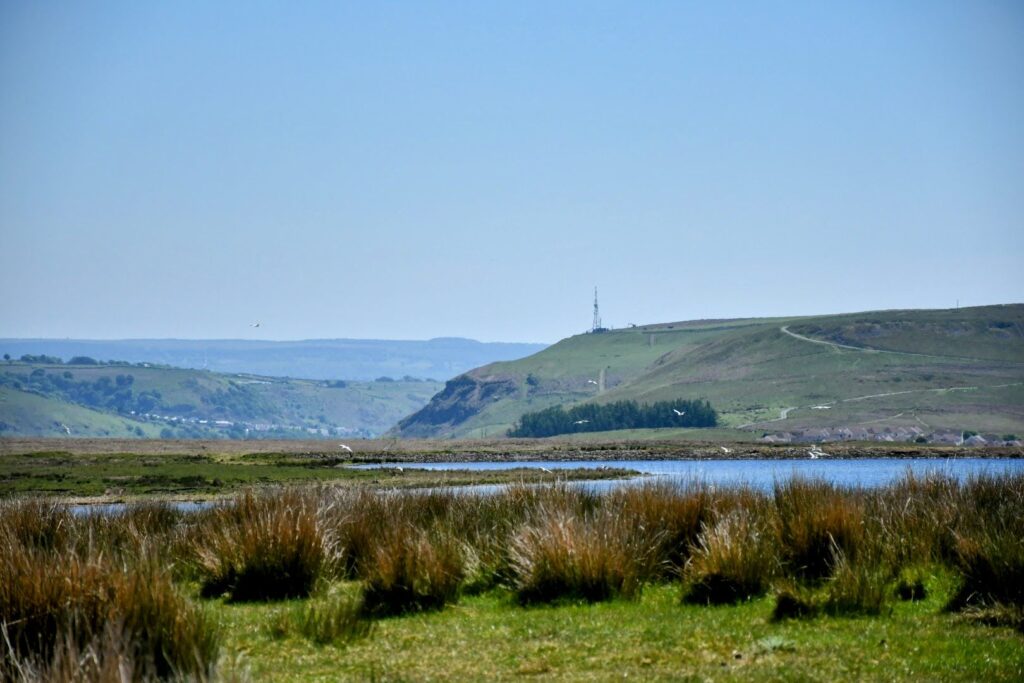
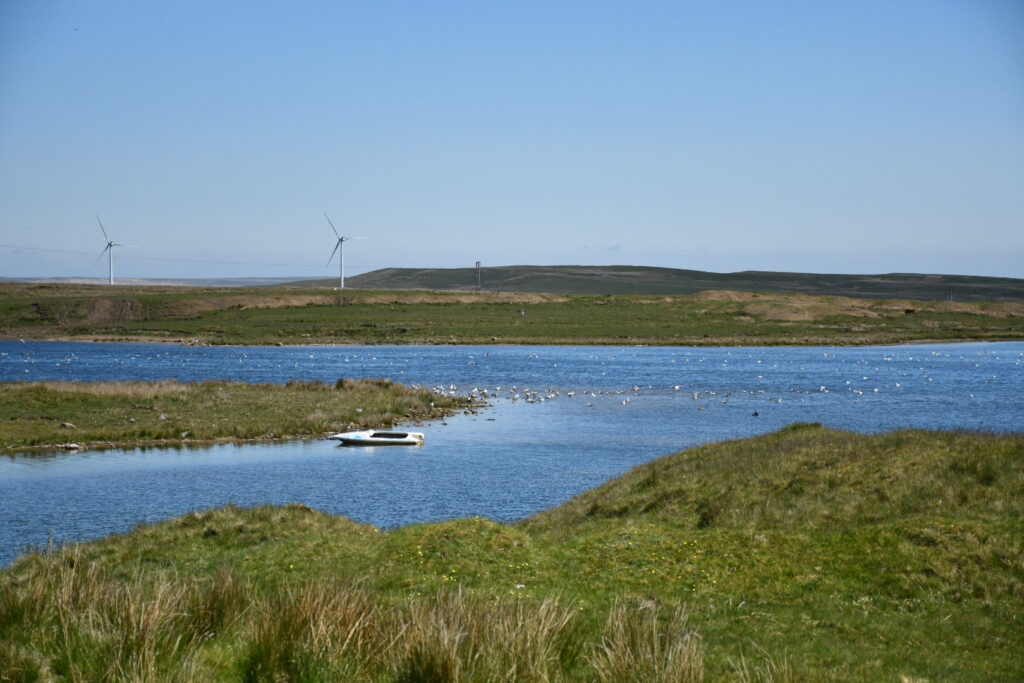
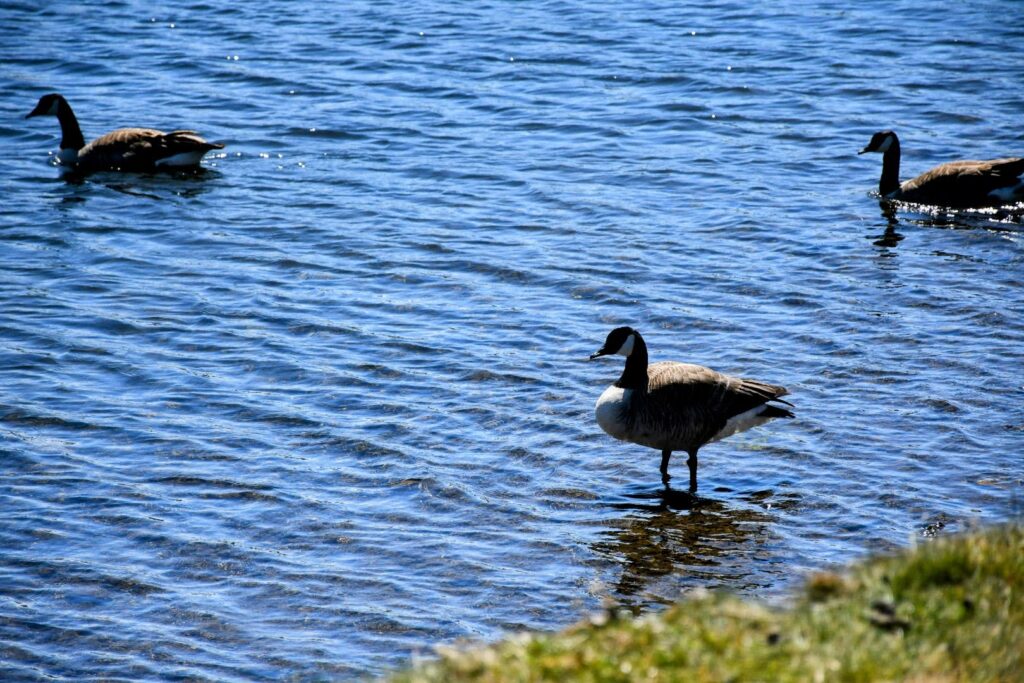
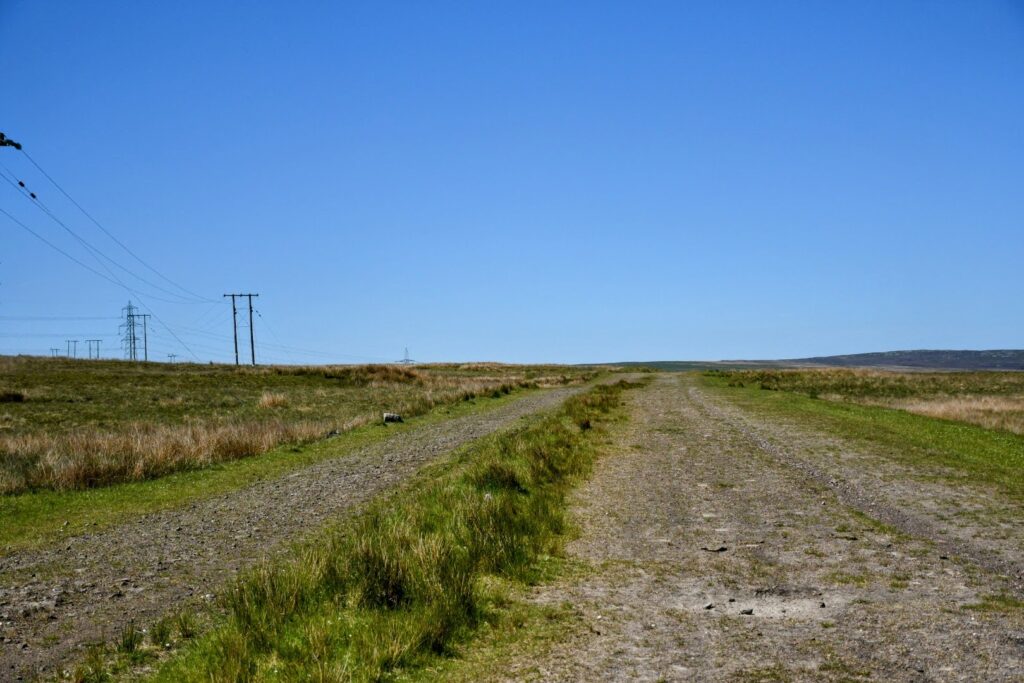
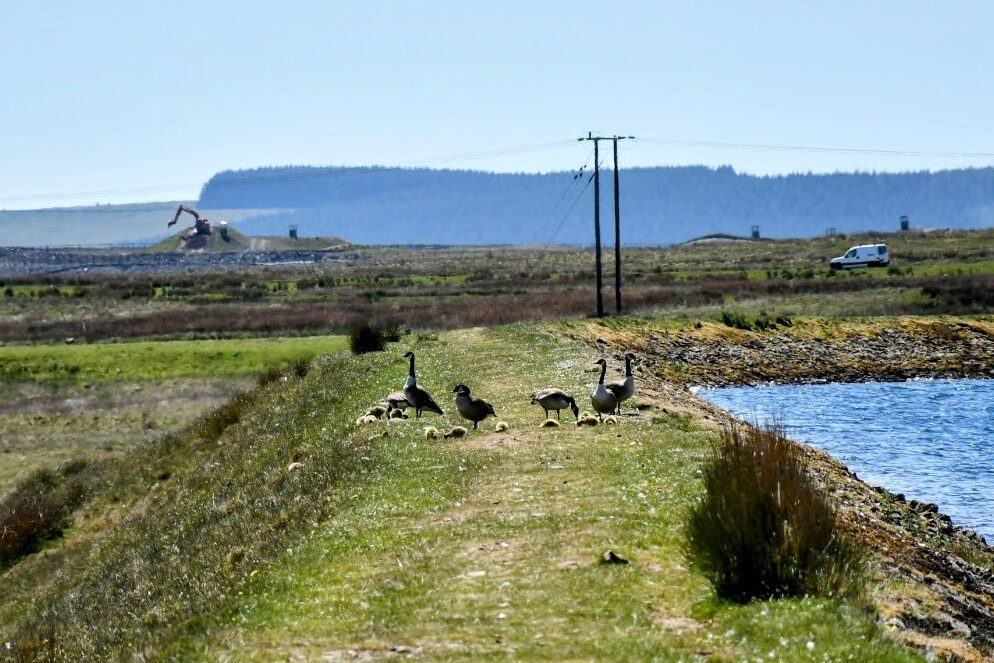
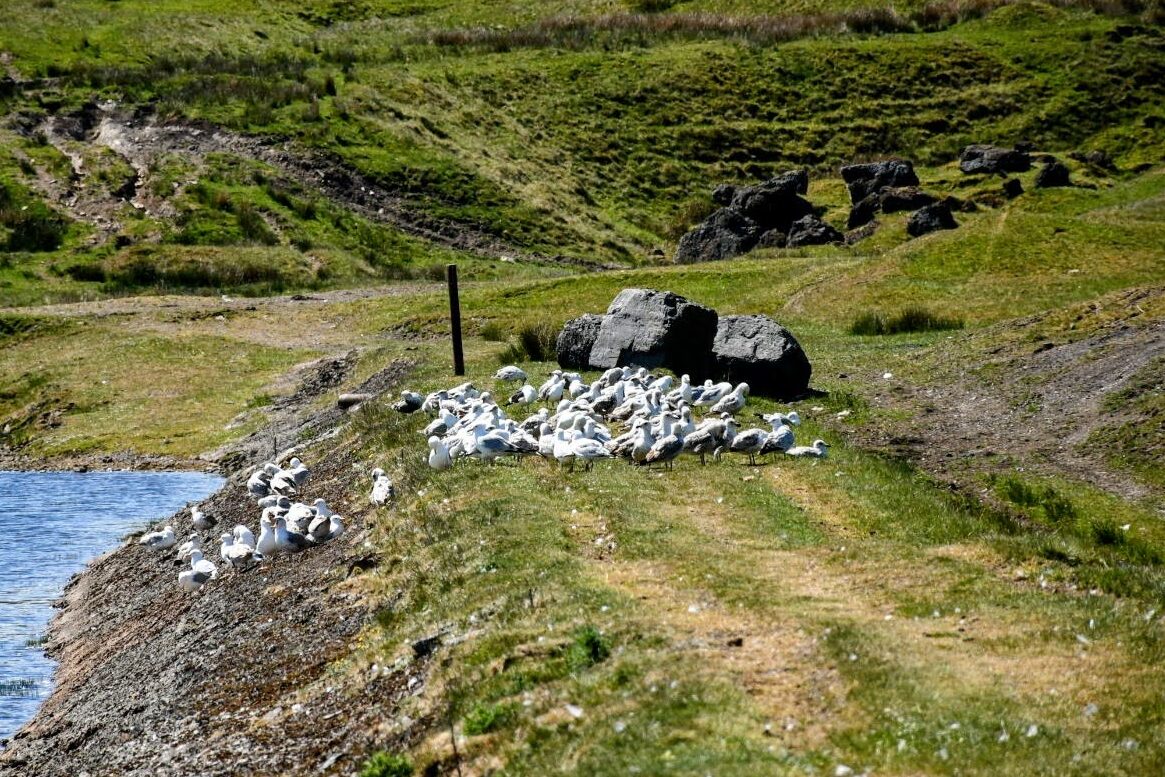
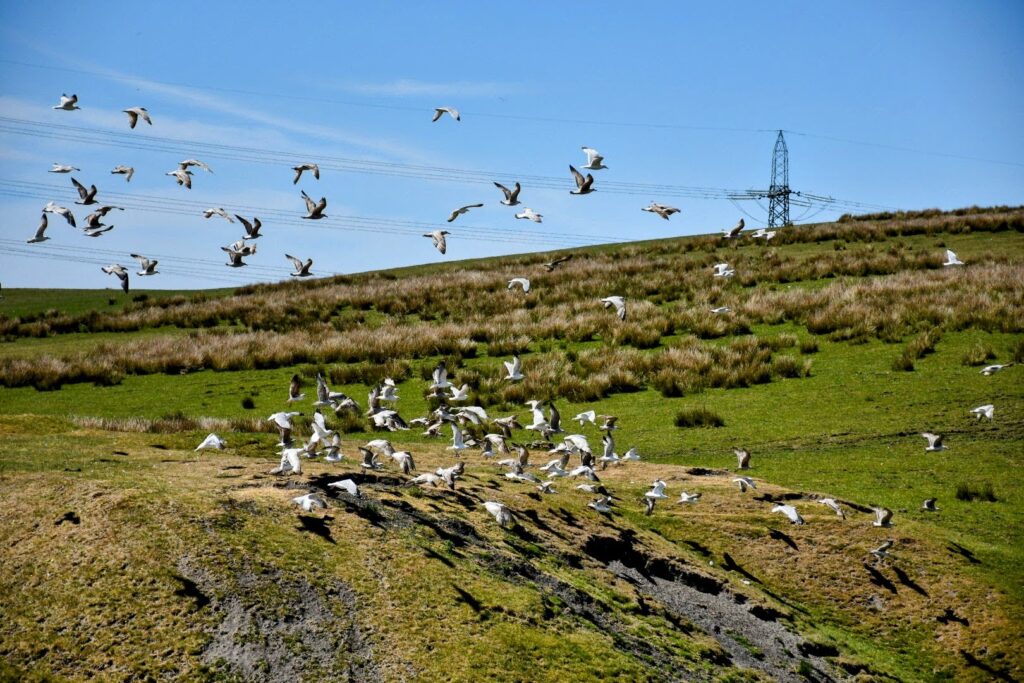
Today there is no hint of the clamour of the fair nor the tumult of the workers. According to an old map, Pantywaun lies to the north of Rhaslas Pond which is known locally as Rhos Las. The pond was built as part of the Dowlais Free Drainage System and is believed to have been completed in 1818. The pond is an important water source for livestock and is an important habitat for over wintering birds.
Consequences of the Waun Meeting on the Gelligaer and Merthyr Common
The very next day following the meeting, bailiffs turned up at Lewsyn yr Heliwr’s house in Penderyn to take some of his furniture due to unpaid rent – but the people in Blaencadlan and Penderyn stopped them. Lewsyn yr Heliwr ended up becoming one of the foremost rioters in the rising.
In Merthyr, fire-balls were thrown through the windows of Joseph Coffin’s house, president of the Court of Requests. Later that night “what was obviously a planned insurrection broke out on Merthyr”. The rioters took over the Court of Requests and returned the possessions kept there to their rightful owners; they managed to get hold of arms and ammunition; they fought off the Highlanders army battalion sent to control them, forcing them to retreat; near Hirwaun they ambushed and disarmed another battalion – the Swansea Yeomanry – who retreated back to Neath; they formed guerilla detachments, taking control of the area and closing all roads to Merthyr bar one. This went on for eight days. The geographical spread of the rising was far-ranging and stretched much further than the centre of Merthyr itself.
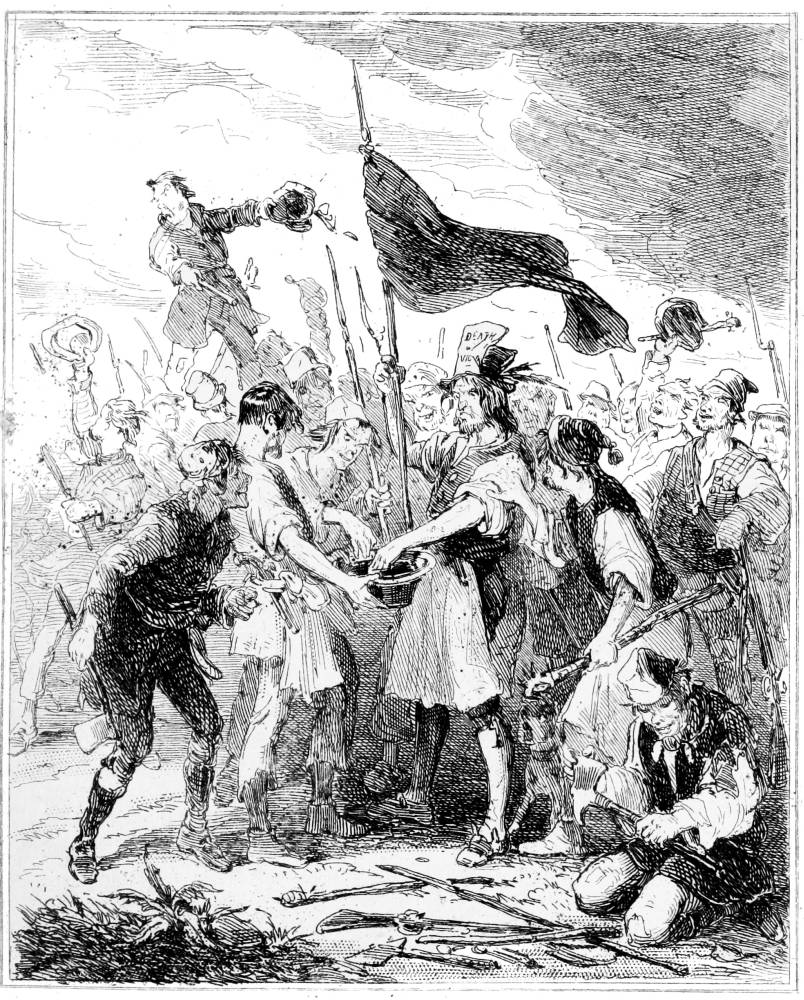
We cannot discuss the Merthyr Rising without mentioning Dic Penderyn. He was hanged in Cardiff on the 13th of August 1831 following a trial alongside Lewsyn yr Heliwr. He was charged with stabbing a solider, Donald Black, in the leg. The wound was not fatal. Lewsyn yr Heliwr was transported to Australia but Dic Penderyn mas martyred. He maintained his innocence throughout the trial and his last words, as he dropped from the rope, were “O Arglwydd, dyma gamwedd” / “Oh Lord this is a travesty”. It is important to remember that throughout this violent, turbulent period in the history of our area, in making their demands and in the planning and carrying out of the insurrection, the language of the angry, fighting working class was Welsh.
Dic Penderyn’s memory lives on as a local legend and working-class hero. Every year the Dic Penderyn Society holds events to commemorate this important period in our history. You can find more about the society and the events it organises by visiting their website https://www.dicpenderynsociety.com
What the workers of Merthyr Tydfil and the surrounding area managed to achieve was amazing. They shook the complacency of the ruling class and made other workers realise what is possible when a united front stands up to injustice.
And to think that it was here, on the Gelligaer and Merthyr Common, one hundred yards from the Waun Fair that this incredible, history defining insurrection was planned.

The quotations and a lot of the information for this piece were taken from the brilliant book The Merthyr Rising by Gwyn Alf Williams
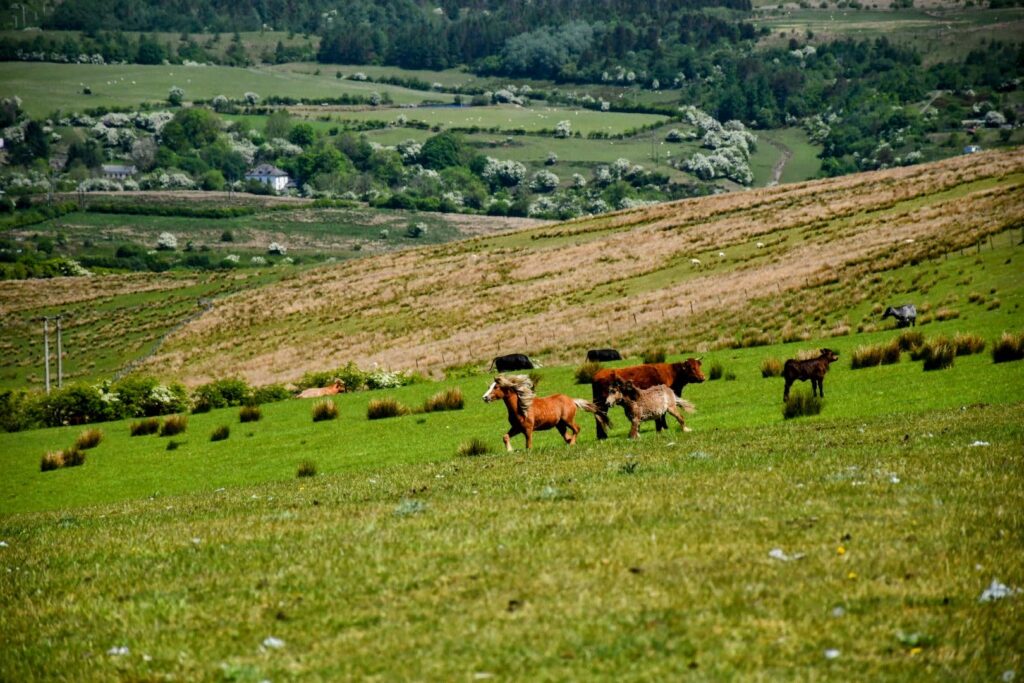
The beautiful recent photographs for this piece were made by local artist @pollylove.studio thank you also to The National Library of Scotland for their maps, the artist Habolt Knight Browne for the sketch and the website http://www.alangeorge.co.uk for the older photographs


